The short answer: No, you should not rinse with water after a therapeutic mouthwash. Water dilutes the active ingredients and washes away the protective layer they form, slashing cavity-fighting and gum-healing benefits. Wait at least 30 minutes before eating or drinking for the mouthwash to do its job.
What Happens If You Rinse with Water After Mouthwash
Your instinct to rinse is normal—mouthwash can feel intense. But rinsing with water is like watering down paint: you immediately reduce the concentration of active ingredients that need time to stick to your tooth enamel and gums.
A quick splash can wash away fluoride, chlorhexidine, or antibacterial essential oils before they have a chance to work. The result? Far less cavity protection and a reduced ability to fight dental plaque and gum inflammation.

Why You Should Never Rinse After Therapeutic Mouthwash
Therapeutic mouthwashes rely on something called substantivity—the ability of ingredients to bind to surfaces inside the mouth and keep working for hours. Water rinsing interrupts this, essentially cutting off the product’s effectiveness.
Different ingredients need different contact times, but they all get short-changed when you rinse:
| Active Ingredient | What It Does | What Water Rinsing Does |
|---|---|---|
| Fluoride | Remineralizes enamel and prevents cavities | Washes away unbound fluoride before it can form fluorapatite |
| Chlorhexidine (prescription) | Kills bacteria, treats gingivitis | Reduces substantivity and antibacterial action significantly |
| Essential oils (e.g., Listerine) | Penetrates plaque biofilm to control germs | Dilutes the oils, lowering antibacterial exposure |
| Cetylpyridinium chloride (CPC) | Reduces plaque and freshens breath | Shortens contact time so bacteria regrow faster |
The American Dental Association notes that for maximum benefit, follow label instructions carefully—most therapeutic rinses explicitly say “do not rinse with water” American Dental Association.
The Critical Role of Fluoride to Combat Cavities
Fluoride works by binding to tooth enamel to create a new, stronger layer called fluorapatite. This remineralization process reverses early demineralization from acids. But it’s not instant—fluoride ions need up to 30 minutes to fully absorb into the enamel surface.
If you rinse with water right away, you physically remove the concentrated fluoride before it can lock in. That’s why the official guidance from the NHS is clear: “Don’t eat or drink for 30 minutes after using a fluoride mouthwash” NHS. This rule is the same for high-strength prescription fluoride rinses used to manage high caries risk.

Active Ingredients for Gum Disease and Germ Control
When tackling gingivitis or plaque overgrowth, chlorhexidine mouthwash (often prescribed after dental procedures or for gum disease) must stay in contact with the gums. The manufacturer’s label for chlorhexidine rinses like Peridex states: “Do not rinse with water or other mouthrinses immediately after rinsing with Peridex” DailyMed.
Over-the-counter antiseptics containing cetylpyridinium chloride or essential oils also need extended contact with the bacterial biofilm. Rinsing with water after just 10–20 seconds means you’re removing the weapon before it neutralizes the target.
When and Where to Use Mouthwash in Your Routine
Timing is everything. One of the biggest mistakes people make is using mouthwash immediately after brushing with fluoridated toothpaste. The high-concentration fluoride left on your teeth by toothpaste can be washed away by a mouthwash rinse—even if that mouthwash contains fluoride. Because the toothpaste’s fluoride concentration is typically higher, you end up trading down.
To get the best of both worlds, place your mouthwash step where it won’t compete.
The Best Sequence: Brush, Floss, or Mouthwash First?
Follow this optimal order to keep fluoride on your teeth and still enjoy mouthwash’s benefits:
- Floss first to dislodge debris between teeth.
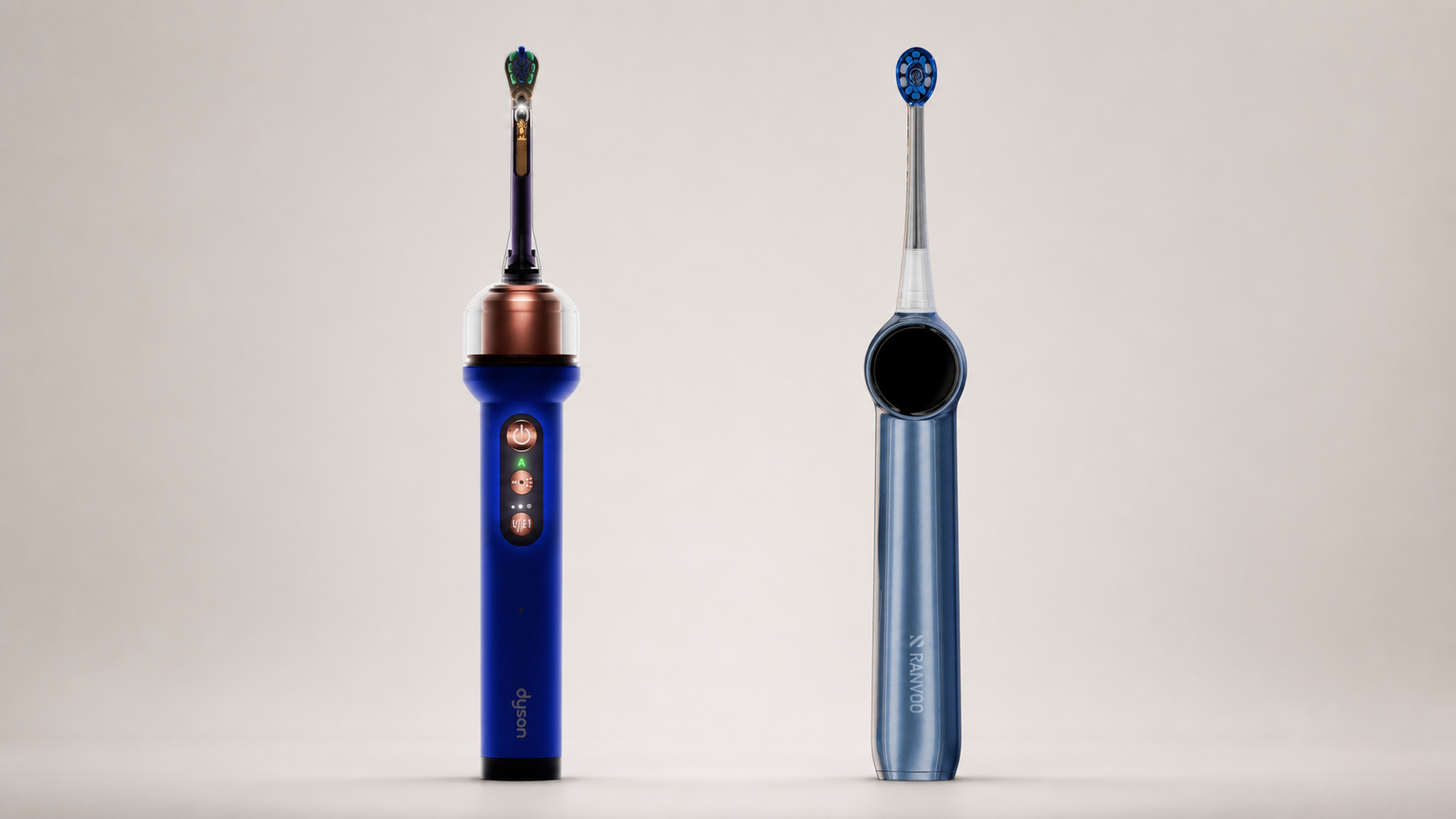
- Brush with fluoride toothpaste for a full two minutes. If you struggle with sensitive or bleeding gums, consider using a gentle yet effective tool like the RANVOO AirJet X5 Electric Toothbrush. Its proprietary bubble-jet technology creates a soft foam that cleans between teeth and along the gumline without the harsh scrubbing that can irritate delicate tissue—perfect for those who worry about hurting their teeth or gums while still wanting a thorough clean.
- Spit, don’t rinse—leave the concentrated toothpaste fluoride on your enamel.
- Wait 20–30 minutes before using mouthwash, or use mouthwash at a completely separate time of day (e.g., after lunch).
If you prefer mouthwash as the final step, at night especially, waiting 30 minutes after brushing lets the toothpaste fluoride do its most critical work while you sleep. Some evidence shows that rinsing with a 100 ppm fluoride mouthwash after brushing does not decrease salivary fluoride levels Dentistry.co.uk, but the safest default for everyday protection is to avoid washing away any fluoride.

Exceptions: When You Can Wash Out Your Mouth
Not all rinsing is bad. Pre-rinsing with water before using mouthwash is perfectly fine—it clears loose debris and doesn’t interfere with the therapeutic agents. And if you’re using a cosmetic mouthwash (breath-freshening only, with no active therapeutic claims), a water rinse afterward won’t ruin any health benefits, though it will shorten the fresh taste.
If a prescription mouthwash leaves an uncomfortable medicinal taste, check the label—some recommend not rinsing precisely to avoid worsening the bitterness. A better fix is to ask your dentist about an alcohol-free or milder alternative rather than defaulting to a water rinse.
How to Use Mouthwash Correctly for Maximum Results
Nail these steps every time:
- Read the label – different formulas have specific doses and times.
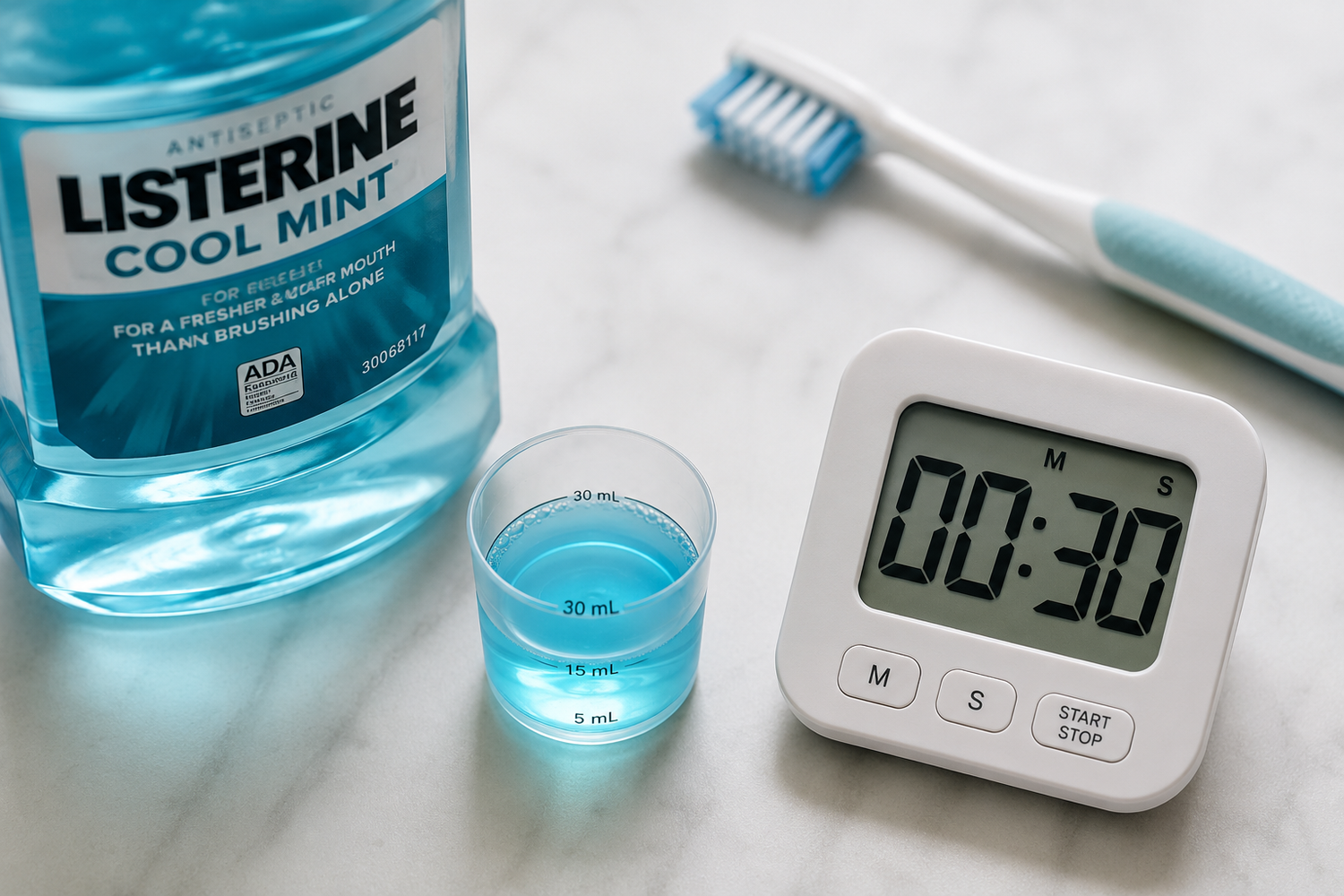
- Measure – use the cap or a medicine cup; never guess (usually 10–15 mL).
- Swish vigorously for 30–60 seconds; don’t swallow.
- Spit it out – do not rinse with water afterward.
- Wait 30 minutes before eating, drinking, or rinsing with anything.

Common Mistakes That Negate Mouthwash Benefits
- Rinsing with water immediately → Fix: Spit, then leave the residue alone for 30 minutes.
- Using mouthwash right after brushing → Fix: Delay mouthwash by at least 20–30 minutes or use it at a different time.
- Using too little product → Fix: Pour up to the fill line; a quick splash won’t coat all surfaces.
- Swallowing → Fix: Mouthwash is not meant for ingestion—always spit out completely.
- Choosing a cosmetic rinse for gum problems → Fix: Match the mouthwash to your need; breath-freshening rinses don’t treat gum disease.
The Final Verdict on Rinsing After Mouthwash
Resist the urge to wash out your mouth after therapeutic mouthwash. Water rinsing dilutes the very ingredients you’re paying for and dramatically reduces cavity prevention and gum protection. The 30-minute no-rinse rule is your simplest, most powerful tool for making mouthwash worth your while. When in doubt, talk to your dentist about a personalized routine that fits your oral health goals—and consider upgrading your brushing tool to one that actively protects your gums, like the RANVOO AirJet X5, so you can skip harsh scrubbing and still achieve a dentist‑clean smile.