











TL;DR: The standard advice is every six months, but your ideal interval depends on your gum health, risk factors like smoking or diabetes, and your home care routine. Some people need cleanings as often as every three to four months, while others can safely go once a year. The goal is to match your schedule to your biology, not the calendar.
Walk into any dental office and you’ll probably hear the suggestion to come back in six months. That rhythm can feel as automatic as an oil change reminder—but most of us don’t think twice about whether it’s really right for us. Anxiety can creep in. Am I going too often? Not often enough? Is this just about insurance?
The truth is, there’s no single answer that fits every mouth. What makes sense for a non-smoker with flawless home care may be completely wrong for someone managing diabetes or a history of gum disease. This article will walk you through the evidence on cleaning frequency, show you how dentists make personalized calls, and help you leave with a concrete plan that’s tailored to you.

The 6-Month Rule: A Starting Point, Not a Hard Deadline
Most dental insurance plans cover two cleanings a year, and the American Dental Association (ADA) has historically recommended a biannual dental check-up for healthy adults. This six-month benchmark isn’t some arbitrary profit scheme. It roughly aligns with how quickly plaque—that sticky bacterial film you feel at the end of the day—mineralizes into hardened tartar (calculus) that your toothbrush can’t remove. It also creates a regular window for early cavity detection and professional monitoring.
But here’s what the recent research tells us: for adults without severe gingivitis or periodontitis, the difference between a six-month recall and a longer, risk-based interval is often negligible. The large INTERVAL randomized controlled trial tracked over 2,300 patients for four years and found no significant difference in gum health or oral-health-related quality of life between those assigned to 6-month recall, risk-based intervals, or even 24-month recall for low-risk individuals.
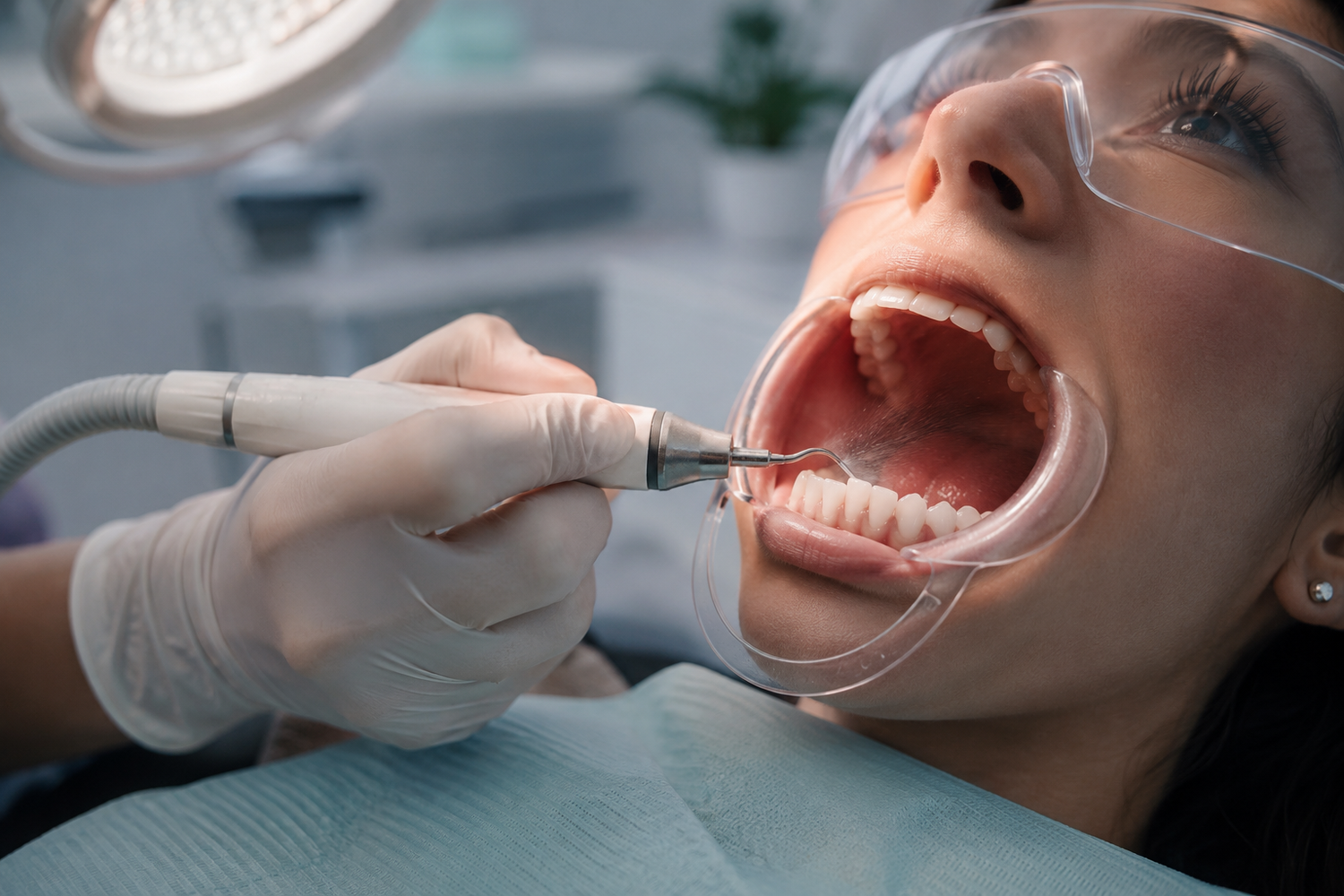
So while twice a year remains a sensible default, it’s not a clinical mandate. The “cleaning” visit is also a vehicle for something equally critical: the periodic oral evaluation (oral cancer screening, bitewing X-rays, checking existing restorations). Skipping the exam to just “get a quick cleaning” can miss the most life-saving parts of the appointment.
When Your Biology Resets the Clock: Personal Risk Factors
If your gums bleed when you floss or you’re navigating a pregnancy, sticking rigidly to six months can let damage silently progress. Here’s where the schedule gets personalized, based on your unique combination of risk factors. These conditions aren’t a judgment on your character—they’re biological realities that deserve a proactive response.
Periodontal Disease Shifts You Into a New Category
Once you’ve been diagnosed with periodontitis—the more advanced form of gum disease that damages the bone supporting your teeth—you graduate from standard dental prophylaxis to periodontal maintenance. These are deeper, more targeted cleanings usually scheduled every three to four months.
That interval isn’t arbitrary. Authoritative clinical guidelines strongly recommend that after active periodontal therapy, supportive periodontal care visits be scheduled at intervals of 3 to 12 months tailored to the patient’s risk profile, with high-risk individuals benefiting from three-monthly visits. The science is intuitive: the pathogenic bacteria that cause attachment loss can recolonize gum pockets and reignite inflammation within about 90 days. Staying ahead of that cycle prevents tooth loss.
Systemic Risk Factors You Can’t Brush Away
Several systemic conditions and habits accelerate plaque damage and often justify more frequent visits:
- Diabetes: High blood sugar impairs healing and fuels inflammation. Tight glucose control can help, but many diabetic patients stick to three- or four-month recall intervals.
- Smoking: Tobacco constricts gum tissue blood flow, masking redness while causing faster bone loss. Smokers consistently show higher risk and benefit from frequent professional debridement.
- Pregnancy: Hormonal surges can trigger “pregnancy gingivitis,” making gums puffy and painful. An extra cleaning during the second trimester is common and completely safe.
- Dry mouth (xerostomia): Whether from medications, autoimmune conditions, or aging, reduced saliva lets plaque accumulate more aggressively and raises cavity risk.
One long-term insurance claims study stratified patients by risk factors like smoking and diabetes. Among high-risk individuals, those who had two preventive visits annually lost significantly fewer teeth over 16 years than those who went once annually. For low-risk patients, the frequency didn’t make a meaningful difference. This is the essence of modern, personalized dentistry.
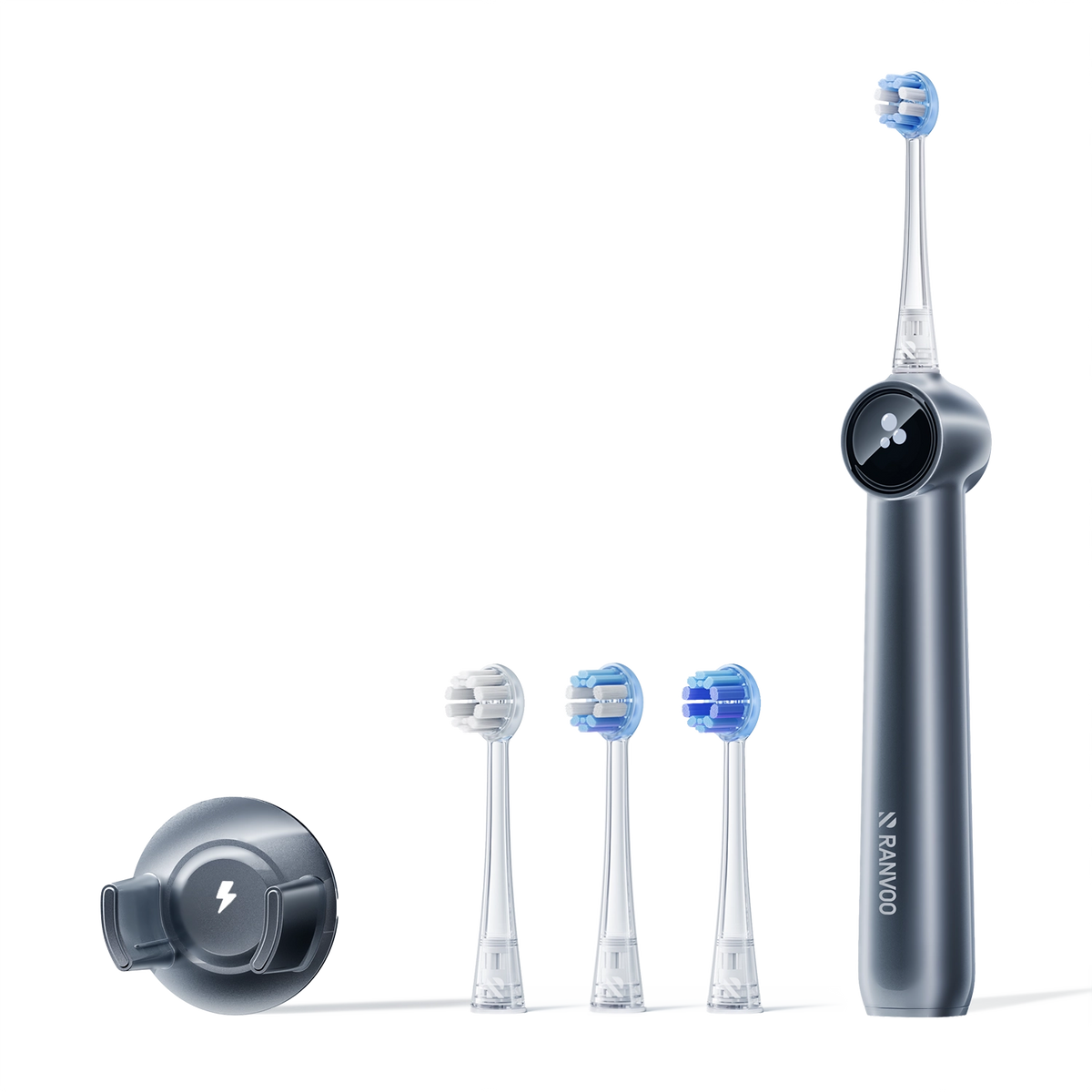
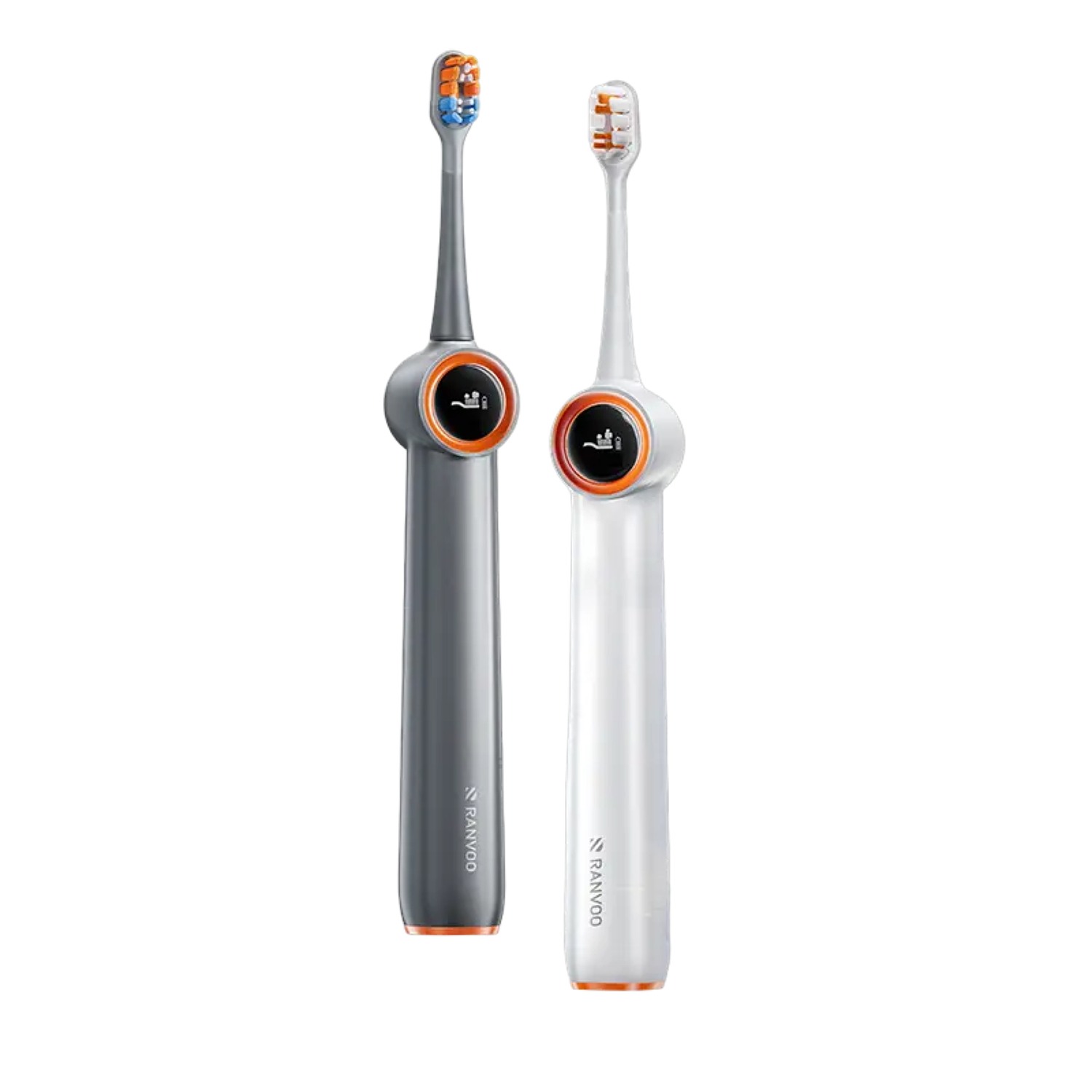
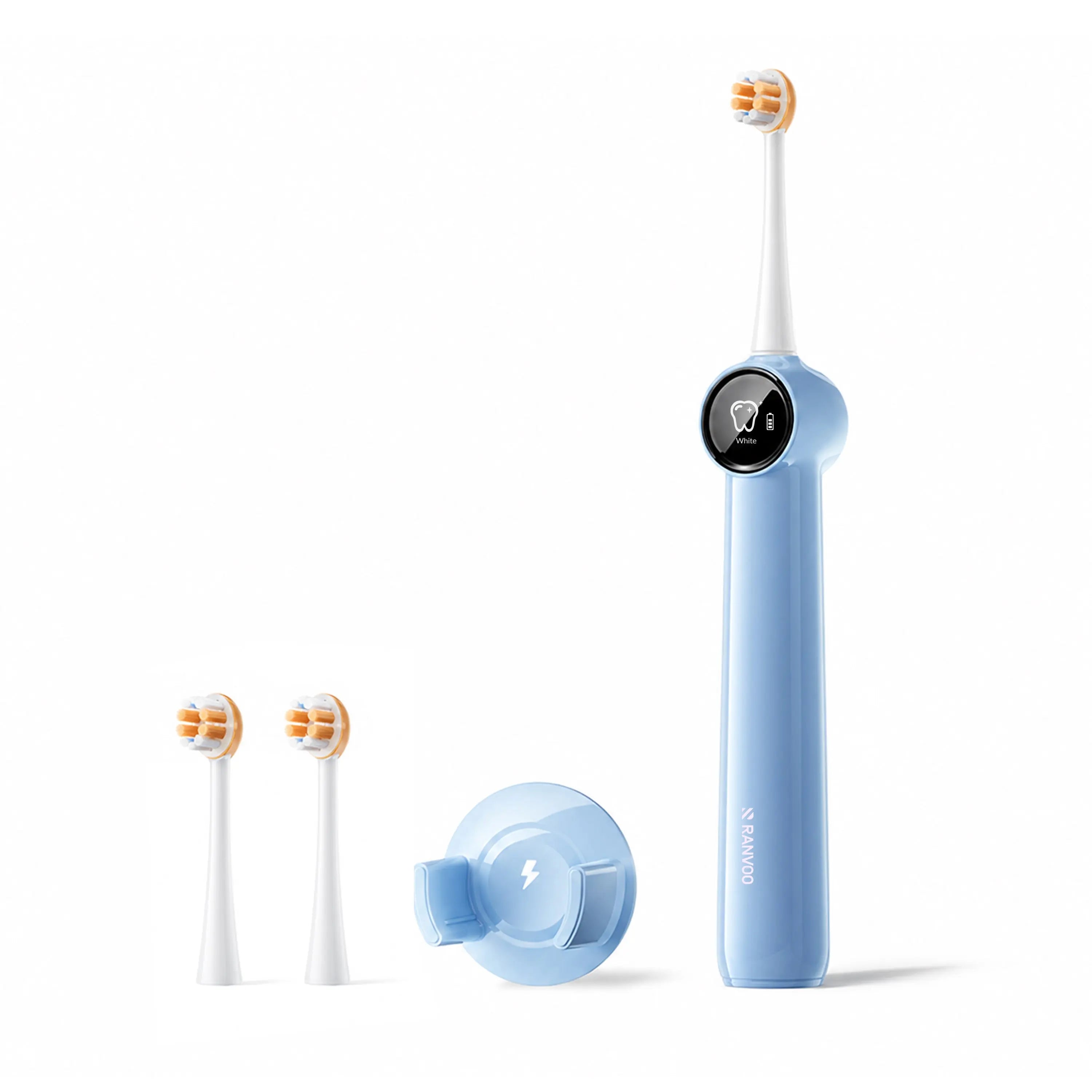
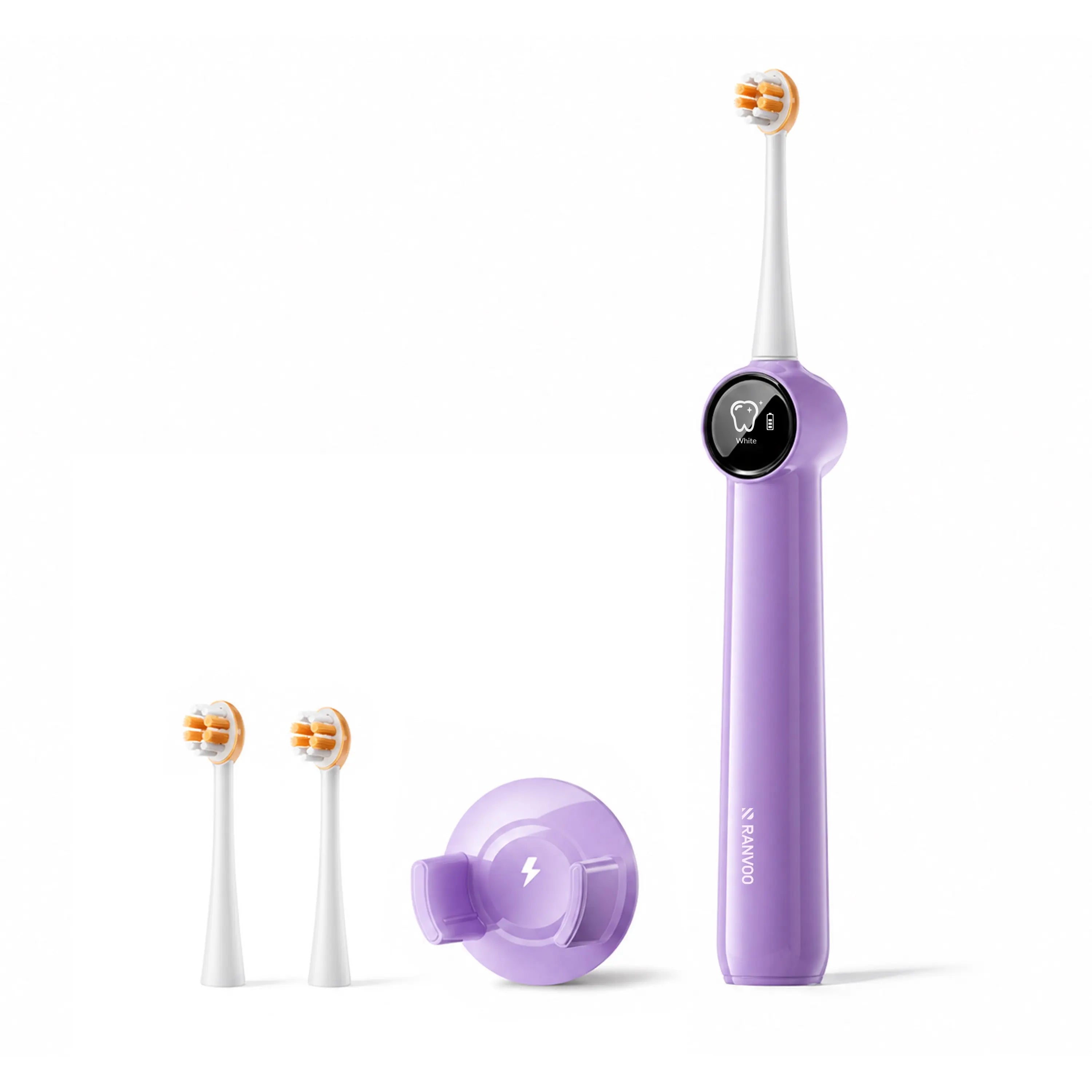
An electric toothbrush can be a valuable tool if you’re in a higher-risk category. By more effectively disrupting plaque along the gumline and around hard-to-reach areas, it helps maintain stability between those shorter maintenance visits.

Signs You Shouldn’t Wait for Your Next Scheduled Cleaning
In between your planned recalls, your body may send clear distress signals. These are requests for attention, not admissions of failure.
If you notice any of the following, treat them as a nudge to pick up the phone—early action almost always means simpler, less expensive treatment.
- Bleeding gums when brushing or flossing: Healthy gums don’t bleed. This is the hallmark of active gingivitis and can often be reversed before tissue destruction sets in.
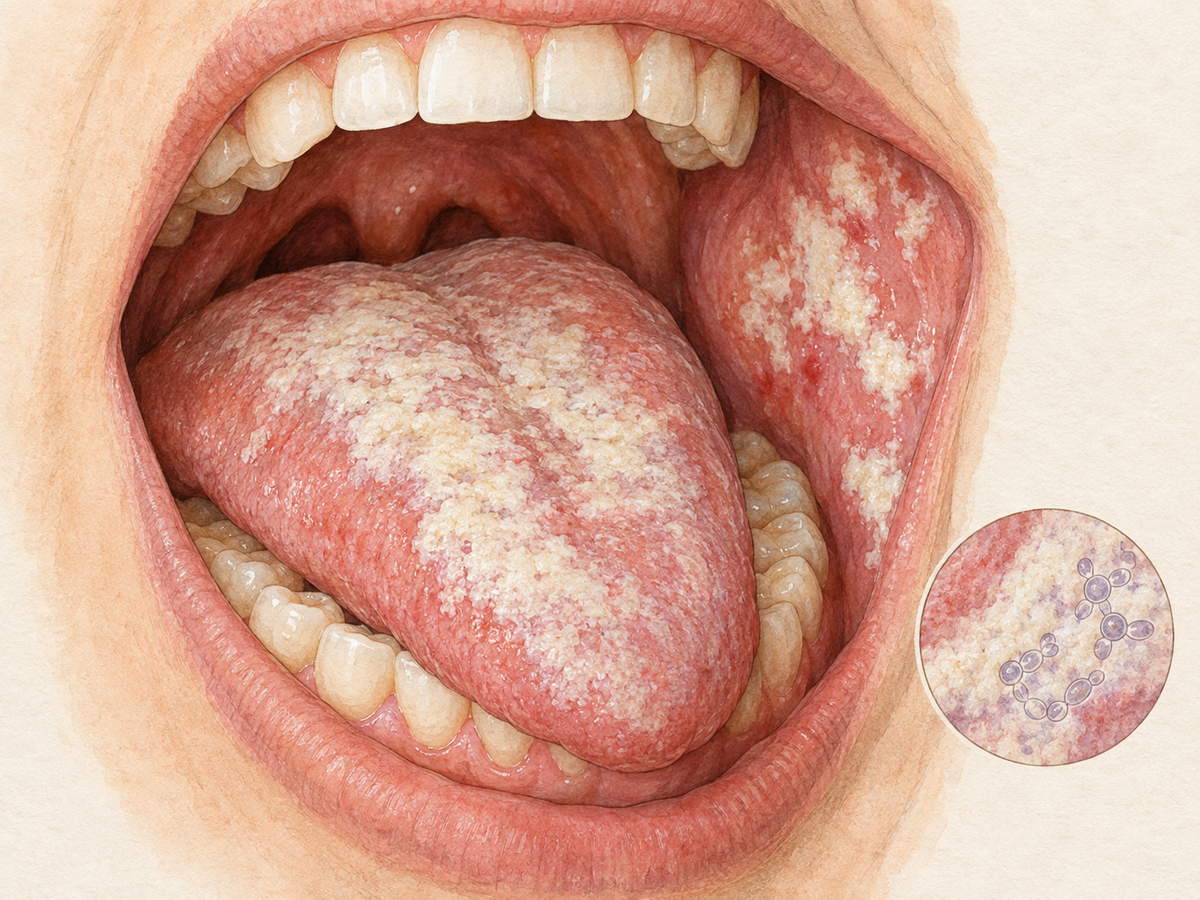
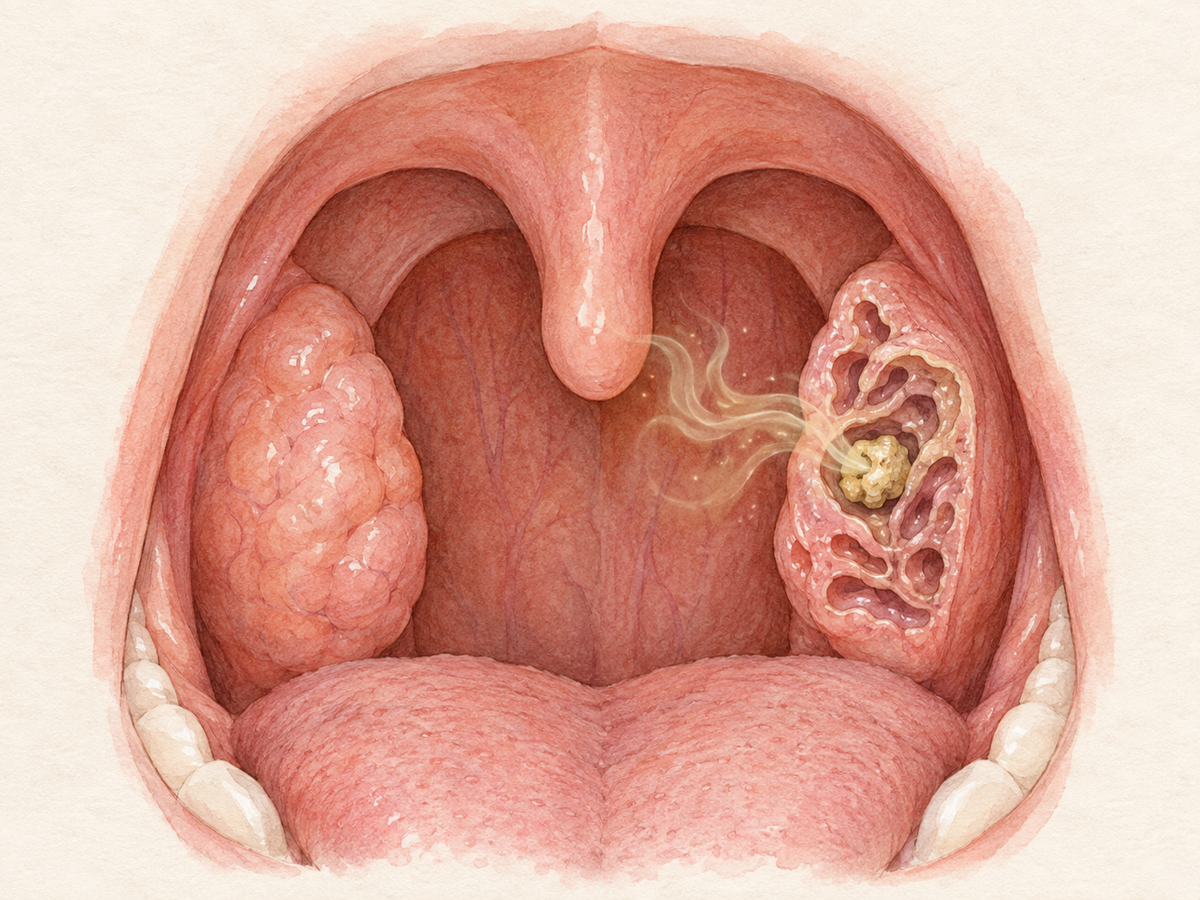
- Chronic bad breath or a persistent bad taste: Often comes from bacteria thriving in deep pockets or around old fillings, releasing sulfur compounds.
- Visible yellow or brown deposits along the gumline: Especially around lower front teeth and molars, this tartar accumulation signals that your current interval might be too long.
- Increased tooth sensitivity: Receding gums and bacterial byproducts can inflame tooth nerves, causing sharp sensitivity to cold or sweets.
- Loose teeth or a change in your bite: This can indicate advanced bone loss and needs immediate evaluation.
A routine scaling and prophylaxis can address many of these problems if caught early. The evidence shows that for adults without severe periodontitis, routine scaling makes little difference to gingivitis or probing depths over two to three years compared to no treatment, but that finding applies to those without active warning signs. Once you have bleeding, heavy calculus, or pain, professional intervention shifts from preventive to therapeutic—and its value escalates dramatically.

How Your Dental Team Decides: The Science Behind the Recall
Ever wonder why your dentist or dental hygienist confidently recommends “three, four, or six months”? They’re not guessing. The process is called a periodontal risk assessment, and it transforms vague advice into a data-driven collaboration.
At your next visit, pay attention to these measurements—or even ask to hear your numbers:
- Periodontal probing depths: A tiny probe measures the space between tooth and gum. One to three millimeters is healthy. Four or more millimeters indicate inflammation or early pocketing.
- Bleeding on probing: Gentle probing that causes bleeding flags active disease. Your team often records a “bleeding on probing” score as a percentage of total sites.
- Bone level on X-rays: Radiographs show the height of the bony support. Once bone is lost, it doesn’t grow back, so preserving what remains is critical.
- Plaque index and hygiene assessment: How much natural buildup remains after you show them your technique? This directly influences your re-accumulation rate.
- Risk factor inventory: The clinician integrates smoking, diabetes control, medications, and even genetic markers or family history.
Current consensus-based, grade-A evidence states that recall intervals ought to be guided by patients’ risk profile as determined by individual risk factors and disease-associated clinical measures such as pocket depths and bleeding on probing. You can absolutely ask, “What’s my risk category and how does that lead to my recall number?” That single question can turn uncertainty into a partnership.

Your Personalized Cleaning Rhythm: 4 Steps Forward
Ready to take the driver’s seat? Here’s a straightforward action plan.
- Track what happens at home. Note any bleeding while brushing, tenderness around specific teeth, or unusual breath patterns. A week’s worth of simple notes gives your hygienist actionable insight.
- Schedule a complete gum evaluation. Don’t settle for a “quick cleaning” if you haven’t had a full charting in over a year. Request a comprehensive periodontal examination so you know your baseline.
- Ask about flexibility. If cost is a barrier for more frequent visits, ask about in-office membership plans or flexible payment options. Skipping needed maintenance to save money often leads to far more expensive treatment later—periodontal surgery costs many times more than a maintenance visit.
- Max out your home care routine. Diligent daily plaque removal can sometimes let you extend intervals safely. A power toothbrush removes substantially more plaque than a manual brush, especially along the gumline, and helps you get the longest possible benefit from each professional cleaning. Add interdental cleaning (floss, water flosser, or interproximal brushes) for a complete defensive strategy.
Your recall interval isn’t set in stone. It’s a living decision that can change as your health changes. If you quit smoking, stabilize your diabetes, or dramatically upgrade your home care, your need for frequent visits may decline. The opposite is also true: new medications, a stressful period, or emerging health conditions may temporarily tighten that timeline.
The right cleaning frequency is a conversation between your daily reality and clinical evidence, not a decree handed down from on high. With a clear understanding of the science and a proactive stance, you’ll land on a rhythm that keeps you healthy, comfortable, and in control.
This article has been reviewed by an oral health professional for accuracy. It is intended to provide general educational information and should not be used as a substitute for personalized medical advice, diagnosis, or treatment. If you have questions or concerns about your oral health, please consult a dentist, physician, or other qualified healthcare provider.