














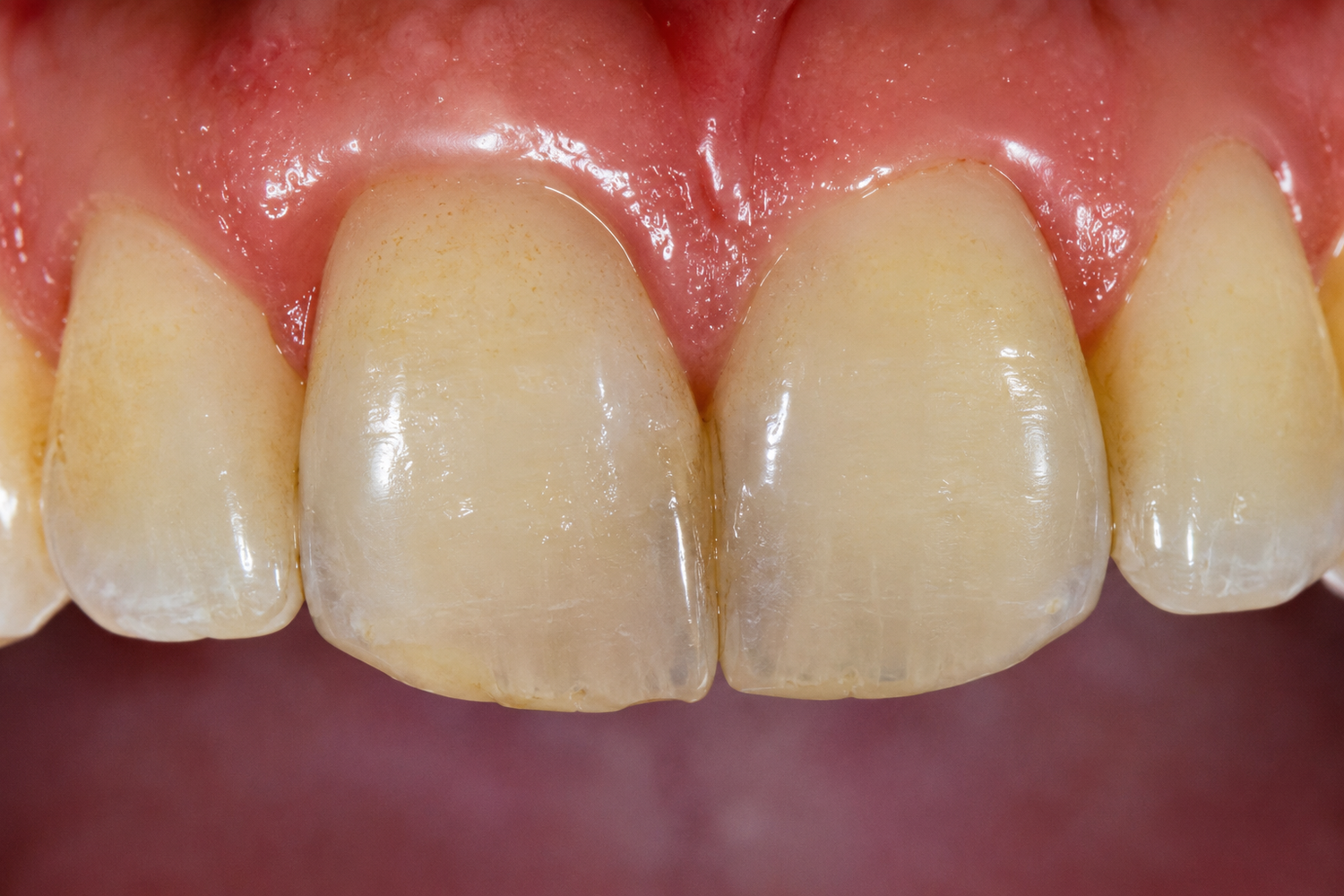
Yes, vaping can stain your teeth — but not the way cigarettes do. Instead of deep, tarry brown, you’re more likely to see surface-level yellowing that comes from nicotine oxidation and the sticky film e-liquids leave behind. How much staining happens depends heavily on your nicotine strength, how often you vape, and your daily oral care.
The Straight Answer
Vaping doesn’t coat your teeth in tar the way smoking does, so the discoloration tends to be milder. But that doesn’t mean it’s harmless. The primary culprits are nicotine — which turns yellow when exposed to oxygen — and the propylene glycol (PG) and vegetable glycerin (VG) base liquids, which create a clingy film that traps pigments. If you choose nicotine-free e-liquids, you’ll largely avoid the chemical staining pathway, but you may still face the sticky-film effect.
In short: vaping can leave your teeth looking dull or slightly yellow over time. It’s almost always surface-level (extrinsic) staining, so it’s reversible with good habits and professional care. The bad news? Those habits have to be more deliberate than they would be for a non-vaper.

How Nicotine Turns Colorless Vapor into Yellow Teeth
It’s a common misconception that nicotine is brown. In e-liquid, nicotine is actually pale — until it hits oxygen. The moment aerosolized nicotine contacts air and then your tooth enamel, it begins to oxidize and shift from clear to yellow-brown. This reaction is the same one that turns a piece of apple brown after you slice it.

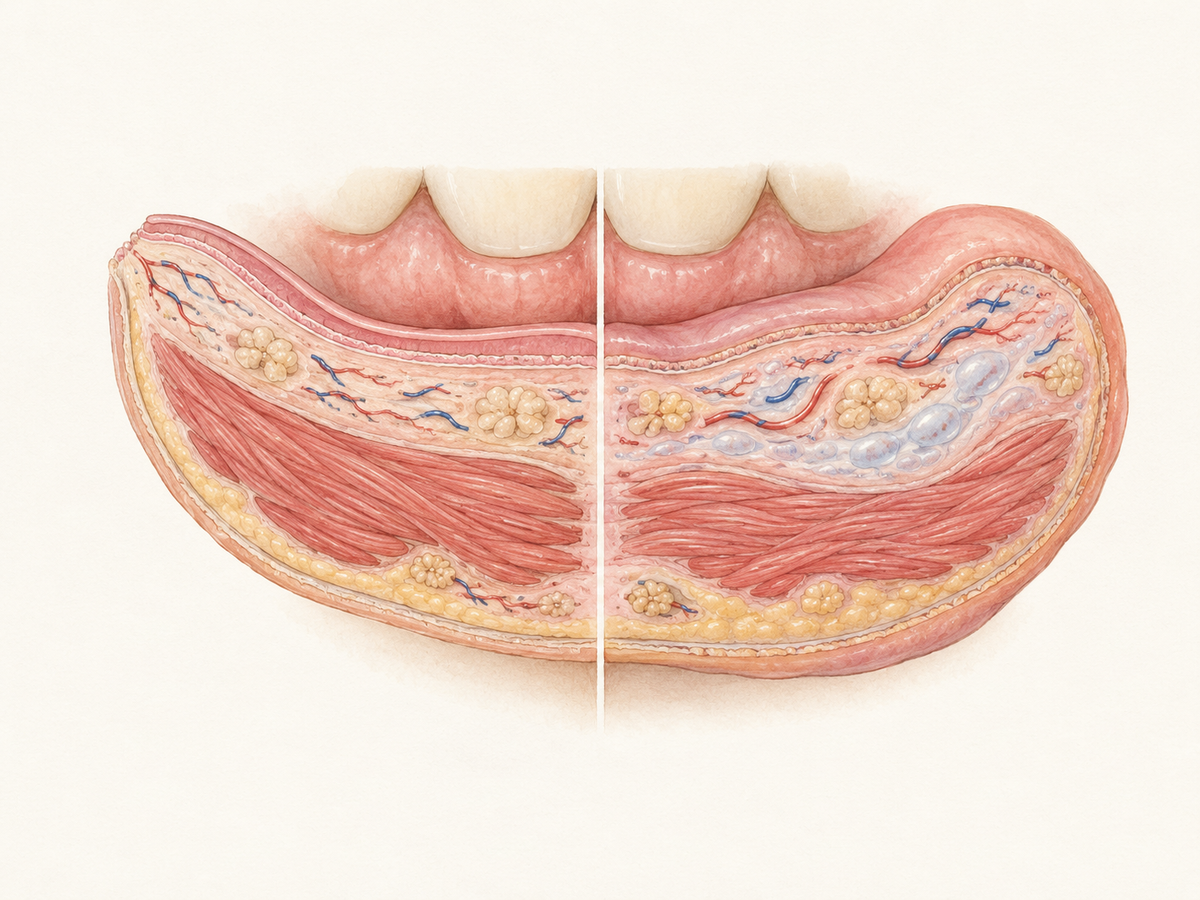
More importantly, nicotine reduces saliva flow. It constricts the tiny blood vessels that feed your salivary glands, leaving your mouth drier and less able to rinse away food particles and bacteria. A 2020 review in the Journal of the American Dental Association highlighted nicotine’s vasoconstrictive effect as a key factor in xerostomia (dry mouth), which sets the stage for faster plaque buildup and stronger stain retention. Even if you use a lower nicotine level, you’re still creating a less-friendly environment for your teeth.
If you vape nicotine-free liquids, you skip the oxidation reaction entirely, and that’s why those users rarely report the same yellowing. The stain risk is, quite literally, in the bottle.
The Sticky Double Whammy: PG, VG, and Flavorings
Nicotine isn’t the whole story. Two other e-liquid components — propylene glycol and vegetable glycerin — are hygroscopic, meaning they pull moisture from the air and from your mouth. That’s great for generating thick clouds, but it leaves a tacky residue on your teeth. This film acts like a magnet, grabbing pigments from coffee, tea, red wine, or even deeply colored foods.
Add in acidic flavorings (think sour candy, citrus, or tart fruit blends), and the problem deepens. Acids temporarily soften tooth enamel, making it more porous and eager to soak up stains. One in vitro study published in PLOS ONE found that e-cigarette aerosol significantly softened enamel, which could leave teeth more vulnerable to picking up color from everyday drinks and snacks. That’s a double hit: the film holds pigments in place, and the weakened enamel lets them seep in.

A few key points about the residue:
- VG-heavy liquids (common in sub-ohm devices) produce a thicker, stickier film.
- Dark or artificially colored flavorings may deposit their own pigments directly onto teeth.
- The combination of low saliva, acidic vapor, and sticky film creates the ideal breeding ground for plaque — a biofilm that can yellow quickly when it harbors chromogenic (color-producing) bacteria.
Vaping vs. Smoking: Which One Stains More?
Smokers’ teeth are 2–3 times more likely to show heavy brownish staining than vapers’ teeth, but both habits cause visible discoloration that worsens without intervention.

Here’s the breakdown. Combustible cigarettes produce tar — a dark, resinous substance that physically embeds into enamel and dentin, causing stubborn brown stains that are famously difficult to remove with brushing alone. Vaping produces no tar, so it rarely penetrates deep into the tooth structure. Instead, you get that superficial yellowing from oxidized nicotine and trapped dietary chromogens.
Realistic expectations matter:
- A typical vaper’s teeth usually show mild, generalized yellowing, often most visible on the lower front teeth and between teeth where the aerosol flows.
- A smoker’s teeth often take on a brownish cast, especially on the inner surfaces and along the gumline.
- If you combine vaping with regular consumption of staining drinks (coffee, red wine), the buildup accelerates rapidly because the vape film gives everything something to latch onto.
The absence of tar means stains are primarily extrinsic (on the surface), so they respond better to polishing and whitening. But don’t confuse “less severe” with “not a problem.” The mechanisms are real and cumulative.
Why You Might See More Staining Than Your Vaping Friend
Not all vapers will notice the same degree of tooth color change. Several personal factors tip the scale:
- Device power and e-liquid composition. High-wattage mods create denser aerosol clouds and more sticky residue. Pod systems may deliver a concentrated nicotine hit that intensifies dry mouth.
- Vaping frequency. Chain vaping keeps the mouth in a near-constant state of dryness, robbing saliva of any chance to buffer acids and wash away debris.
- Hydration and breathing habits. Mouth-breathing while vaping (or in general) amplifies dryness and concentrates the film on front teeth.
- Oral hygiene routine. Those who brush, floss, and stay on top of cleanings will see far less buildup than those who skip steps.
- Genetic enamel thickness and natural tooth shade. Thinner enamel or naturally more yellowish dentin can make surface stains look more pronounced.
If you feel like you’re doing everything “right” but still see yellowing, it could be that your combination of nicotine strength and flavor acidity is especially potent on your teeth. A dentist can help pinpoint what’s contributing most.
Simple Ways to Keep Your Smile Bright
You don’t have to quit vaping entirely to fight the stains, but you do need a consistent strategy. These steps make the biggest difference:

- Rinse with water after every vape session. It’s the single most effective way to dilute acids and wash away the sticky film before it sets.
- Wait 30 minutes before brushing. After acidic exposure (from flavors or dry mouth), enamel needs time to remineralize. Brushing too soon can actually scrub away softened enamel.
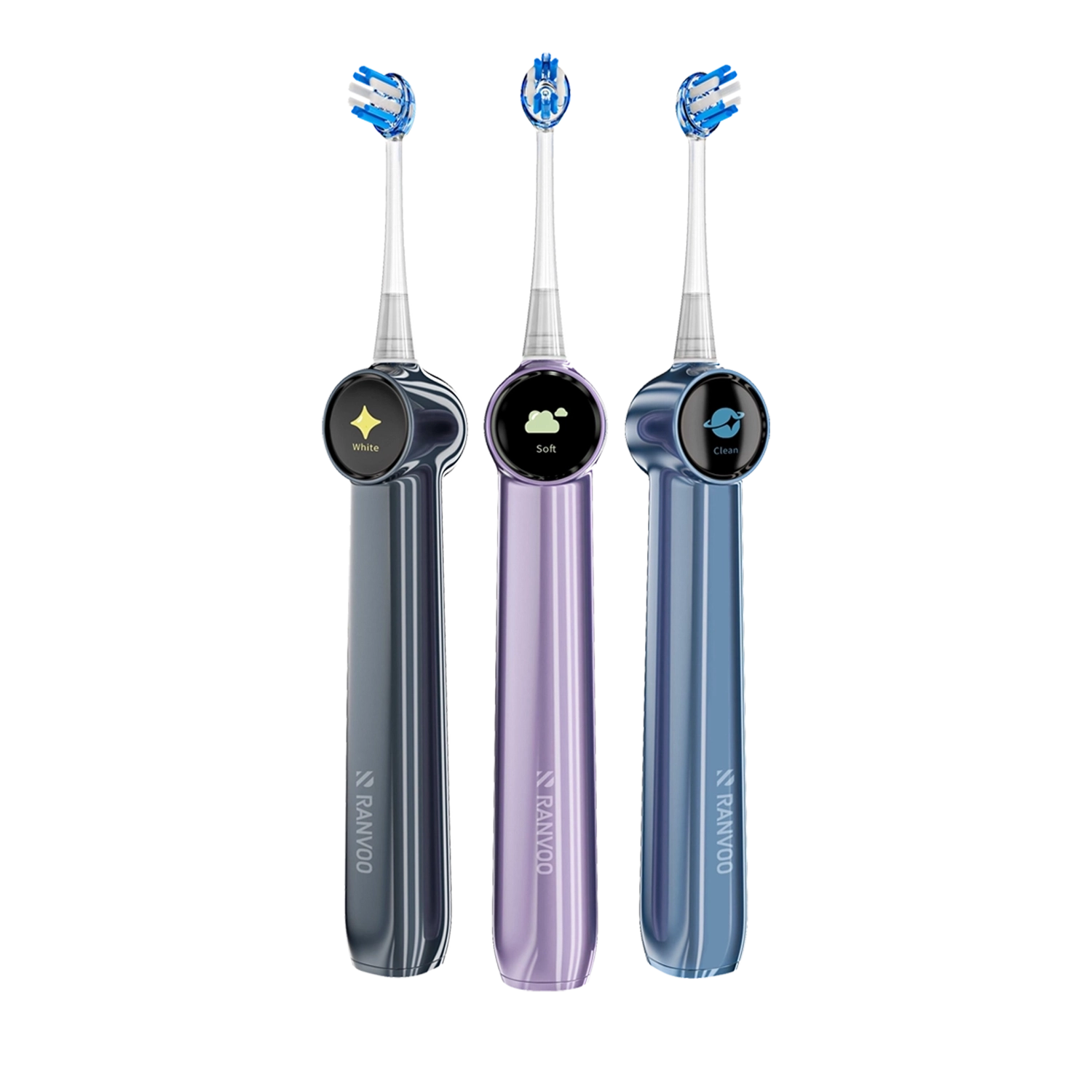
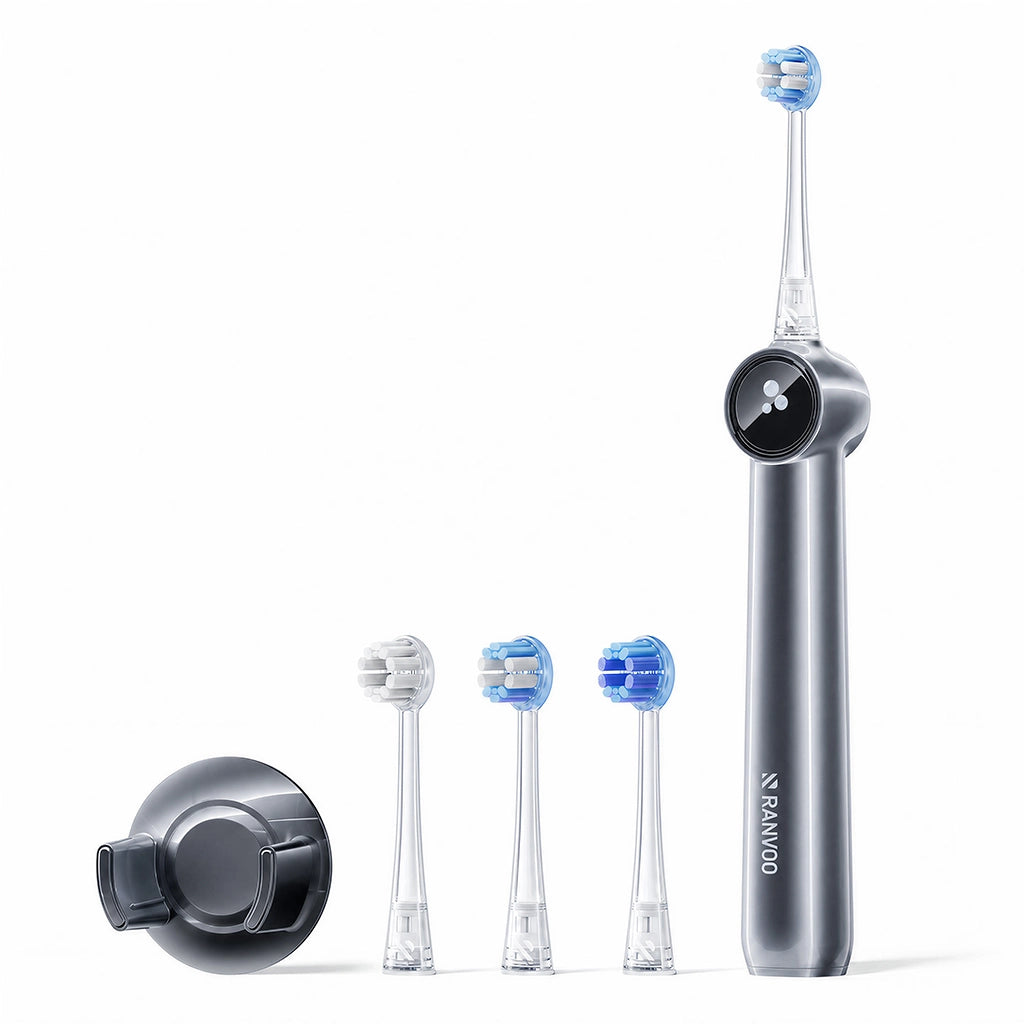
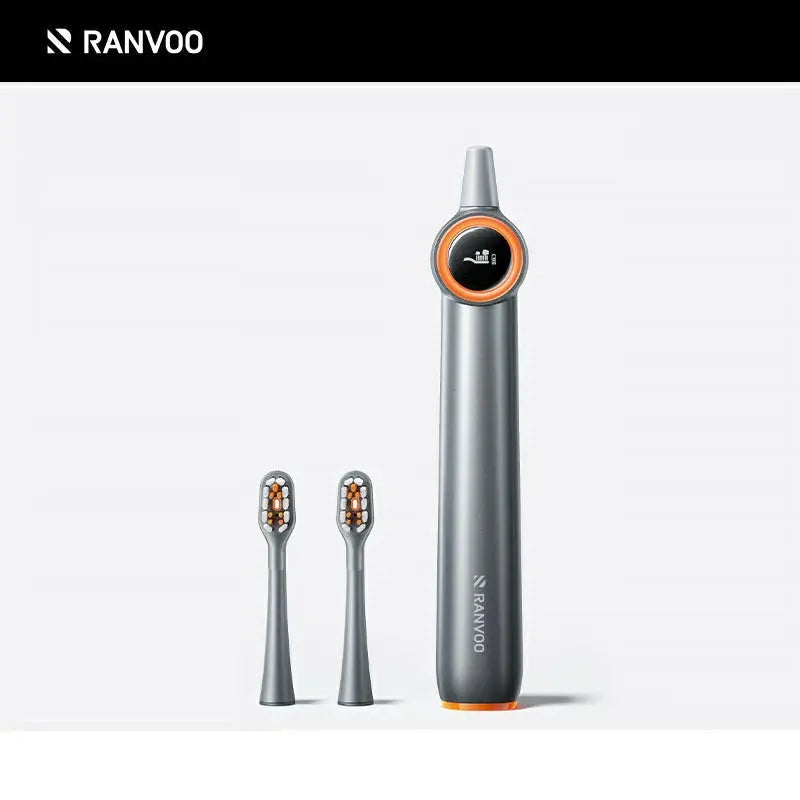
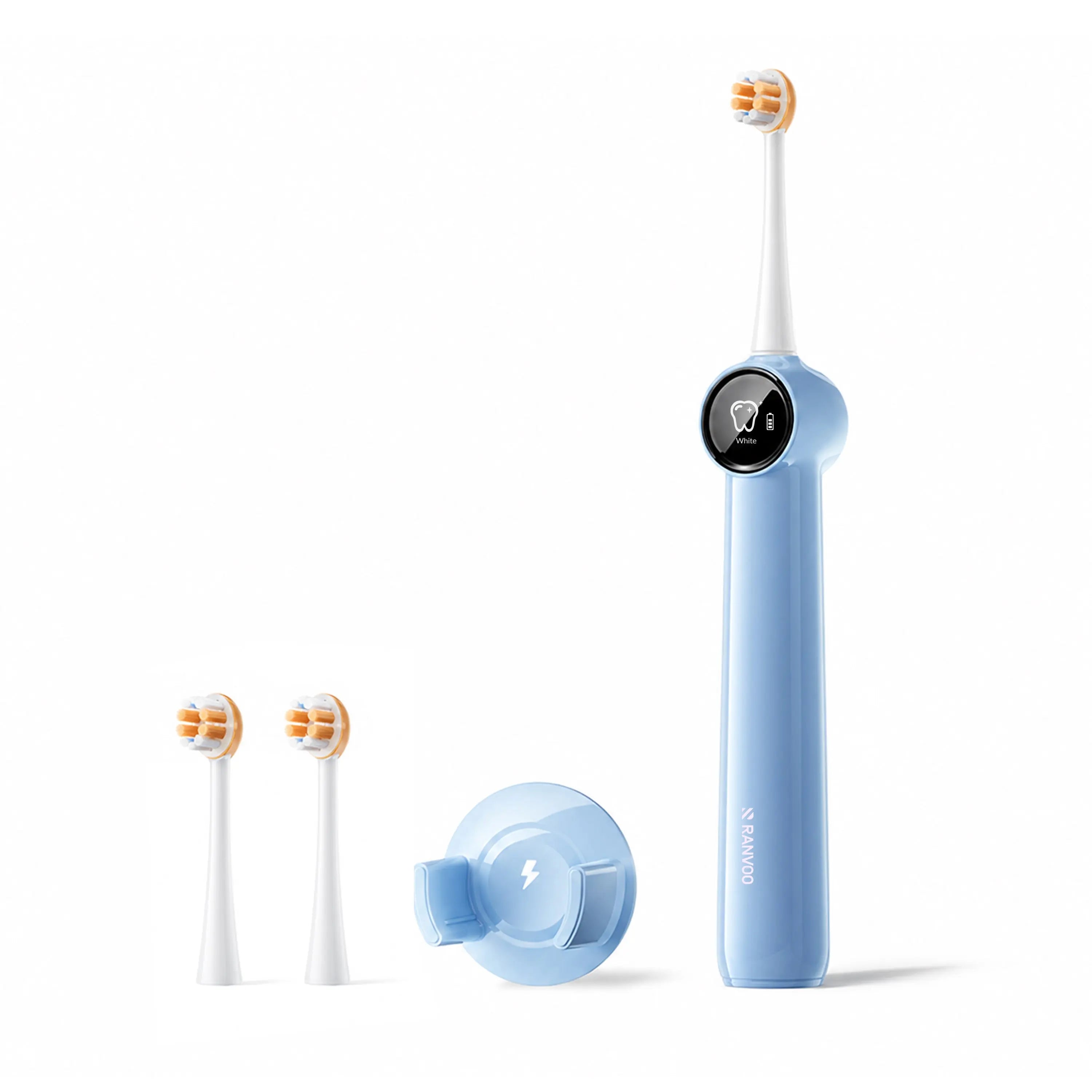
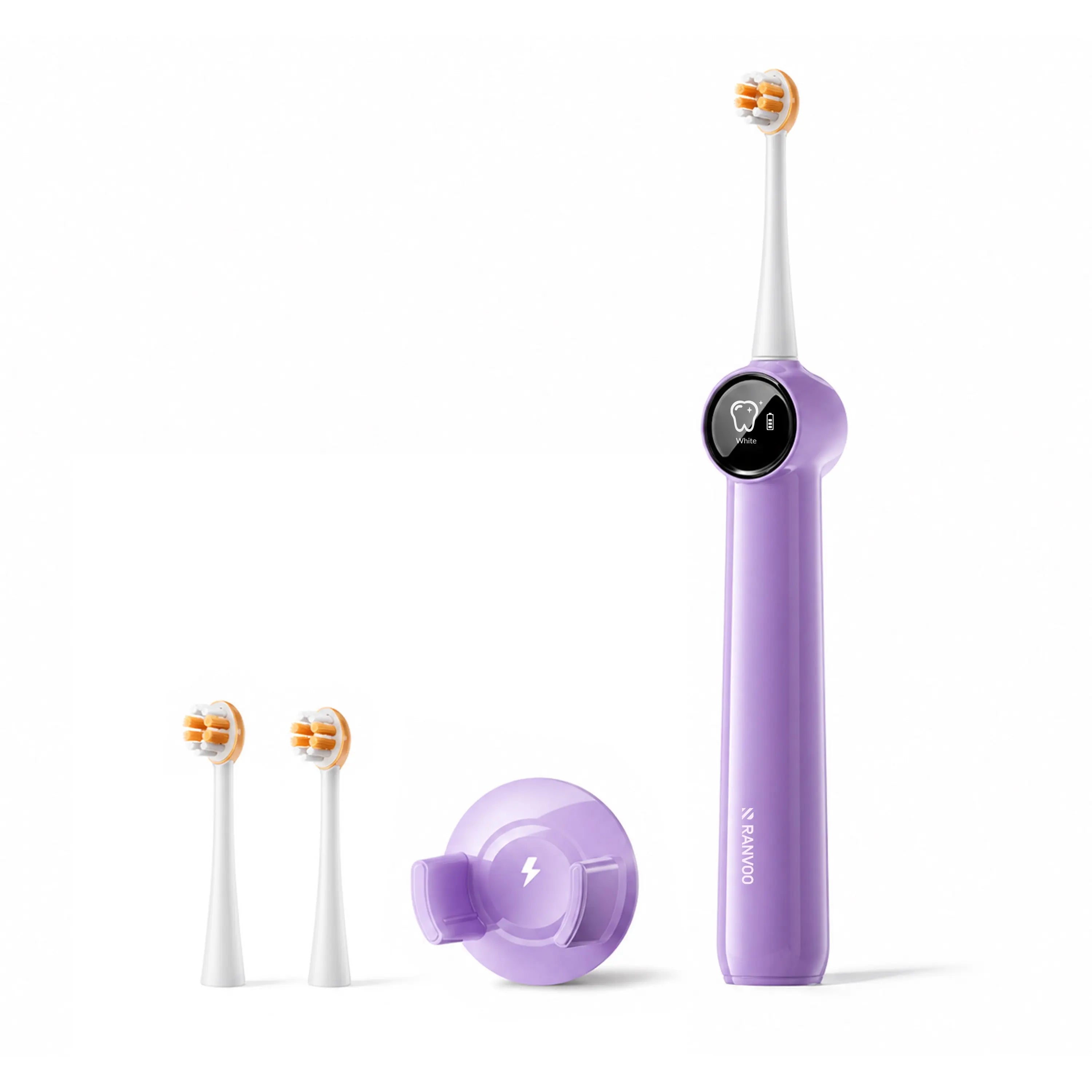
- Brush twice a day with fluoride toothpaste. Use a soft-bristle brush and spend a full two minutes. An electric toothbrush can more thoroughly dislodge the plaque biofilm that traps vape-related residue, especially around the gumline and between teeth.
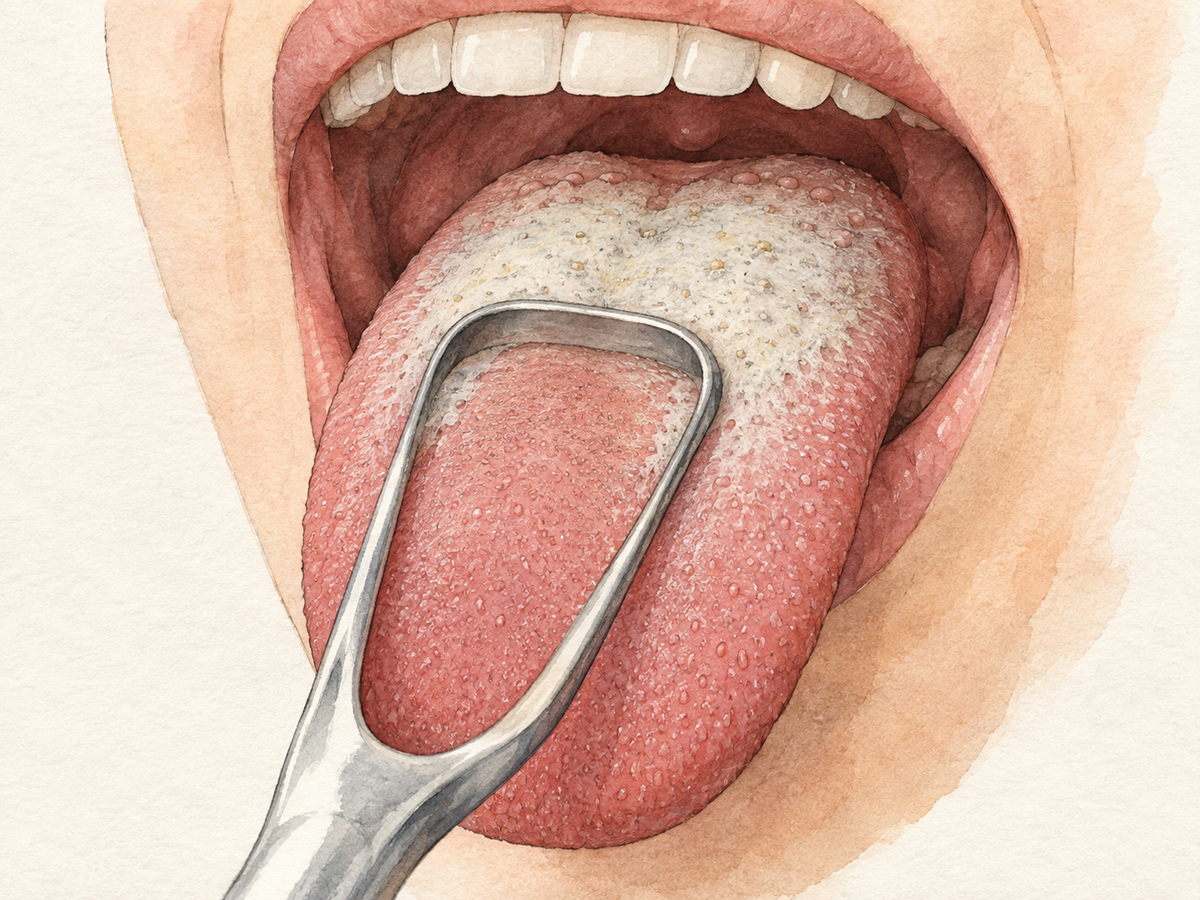
- Add a tongue scraper. Your tongue harbors bacteria and absorbs aerosol particles; cleaning it reduces the overall bacterial load and helps maintain a healthier oral environment.
- Chew sugar-free xylitol gum. Xylitol fights cavity-causing bacteria and stimulates saliva flow, your mouth’s natural cleanser.
- Try a whitening toothpaste with low-abrasion silica or micro-peroxide. These can polish away surface stains safely, but they won’t reverse deeper yellowing from chronic high-nicotine use.
- Use an alcohol-free fluoride mouthwash. Alcohol can exacerbate dry mouth, so look for formulas that hydrate while strengthening enamel.
If early staining has already set in, a sonic electric toothbrush with a whitening mode can gently buff away surface discoloration while being kind to sensitive gums. Keep in mind: these steps help manage and slow staining, but they can’t prevent oxidation stains entirely if you’re using high-nicotine liquids day after day.
When to See Your Dentist About Vape Stains
Not every tooth color change is a harmless surface stain. Sudden or severe discoloration — especially if it’s accompanied by sensitivity, gum recession, or a rough tooth texture — can signal something deeper. Vape-related dry mouth and acid exposure may erode enamel to the point where the yellowish dentin underneath shows through. That’s no longer a stain; it’s structural wear.

Book a professional dental cleaning if you notice:
- Stains that don’t budge after a few weeks of consistent brushing and water rinsing.
- Teeth that look translucent along the edges or feel rough and uneven.
- Gum that bleeds easily or appears red and puffy — both signs of inflammation that can worsen staining.
- A sudden change in tooth color that seems to come out of nowhere.
A hygienist can polish away surface buildup and give you an honest read on whether you’re dealing with simple extrinsic stains or the start of enamel erosion. And if you’re curious about teeth whitening treatments, your dentist can recommend the safest option — whether that’s a custom take-home kit or an in-office procedure — based on the current health of your enamel.
Stained teeth from vaping are almost never an emergency, but they’re a useful signal. They tell you your mouth needs a little more care, a little more moisture, and maybe a conversation with your dental team. Listen to that signal early, and you’ll keep your smile as bright as your clouds.
This article has been reviewed by an oral health professional for accuracy. It is intended to provide general educational information and should not be used as a substitute for personalized medical advice, diagnosis, or treatment. If you have questions or concerns about your oral health, please consult a dentist, physician, or other qualified healthcare provider.