















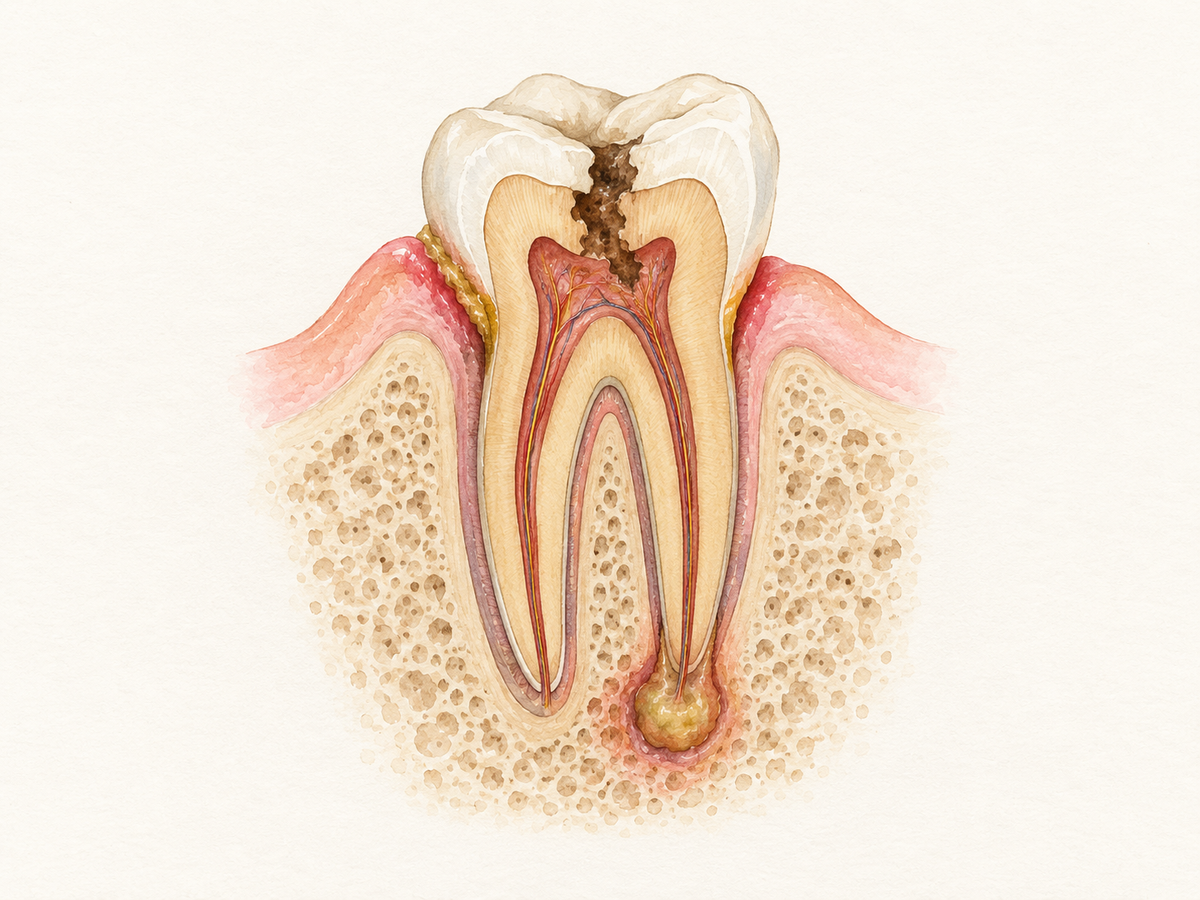
The eight common oral infections covered here are cavities, a dental abscess, pericoronitis, gingivitis, periodontitis, oral thrush, cold sores, and hand-foot-mouth disease, with herpangina as a close viral relative. They happen when bacteria, yeast, or viruses grow out of balance in the mouth. Most can be prevented or caught early with daily cleaning and professional care, but swelling, fever, trouble swallowing or breathing, or a sore that will not heal needs prompt help.
Safety rule: Call a dentist for a toothache with swelling or fever. Go to urgent or emergency care for spreading swelling, trouble swallowing or breathing, or swelling around the eye.
Why Your Mouth Is an Easy Target
The mouth is warm, moist, and full of small spaces where germs can hide. The oral microbiome—the community of bacteria, viruses, and yeast that normally lives in the mouth—usually stays balanced. Saliva, or spit, helps wash away sugars and germs. The body’s immune defenses also keep things in check.
When cleaning slips, saliva dries up, or immunity drops, the balance can shift. Sugar feeds bacteria on the teeth and gums, forming sticky plaque, also called a biofilm. From there, different problems can develop in the teeth, gums, or the soft lining of the mouth.
Quick Comparison: Causes, First Signs, and Spread
This table is a quick orientation, not a self-diagnosis tool. Use it to match your symptoms and decide what to do next.
| Infection | Main cause | First sign | Spreads? | First step |
|---|---|---|---|---|
| Cavities | Bacteria plus sugar in plaque | White spot or tooth sensitivity | No | Brush, fluoride, see dentist |
| Dental abscess | Deep cavity lets bacteria into the tooth | Throbbing pain, swelling, bad taste | No | Dentist drainage, root canal, or extraction |
| Pericoronitis | Bacteria trapped under a wisdom-tooth gum flap | Pain and swelling behind the last tooth | No | Dentist cleaning or irrigation |
| Gingivitis | Plaque at the gum line | Bleeding, tender gums | No | Daily cleaning and professional cleaning |
| Periodontitis | Long-term plaque below the gum line | Bleeding, receding gums, loose teeth | No | Deep cleaning and daily plaque control |
| Oral thrush | Yeast overgrowth | White patches, burning, cottony mouth | Usually not | Antifungal medicine from a dentist or doctor |
| Cold sores | HSV-1 virus | Tingling, blisters, crust around the lip | Yes | Early antiviral medicine |
| Hand-foot-mouth disease / herpangina | Enterovirus | Fever, mouth sores, possible hand/foot rash | Yes | Fluids, rest, pain relief |
Tooth Infections: Decay, Abscess, and Pericoronitis
Dental caries, or tooth decay, starts when plaque bacteria feed on sugar and produce acid. The acid removes minerals from the tooth surface and eventually creates a cavity. A cavity may feel like sensitivity to sweets, cold, or heat.
If decay reaches the tooth’s inner pulp—the nerve and blood supply—the area can become infected. A dental abscess is a pus-filled pocket. Warning signs include throbbing pain, a foul taste from pus, one-sided facial swelling, fever, and pain that wakes you up at night.
The goal is to remove the source of infection, not just cover it with antibiotics. For a localized abscess, drainage and dental treatment are the priority, according to clinical guidance on abscess care. Antibiotics alone are not recommended for most otherwise healthy adults with a localized tooth infection, according to the American Dental Association’s guideline.
Pericoronitis happens when a flap of gum covers a partly erupted wisdom tooth. Food and bacteria get trapped under the flap. It usually causes pain, swelling, and tenderness behind the last tooth. Most cases improve with local cleaning and rinsing by a dentist; antibiotics should be reserved for severe or spreading cases, based on evidence on pericoronitis management.
Gum Infections: Gingivitis and Periodontitis
Gingivitis is reversible gum inflammation. The gums may look red, feel tender, and bleed when you brush or floss. There is no permanent damage yet.
Periodontitis is more advanced. The body’s response to long-term plaque can destroy the gum tissue and bone that support the teeth. Signs include receding gums, persistent bad breath, and teeth that feel loose.
Smoking, diabetes, hormone changes, and missed cleanings can raise the risk. The treatment is not a single pill. It centers on professional cleaning plus consistent daily plaque removal. Current periodontal guidance recommends professional mechanical plaque removal, improved daily brushing and cleaning between teeth, and controlling risk factors like smoking and blood sugar. A separate gingivitis guideline also emphasizes daily self-care and professional plaque removal.
Stopping smoking can help gum health, but it works best alongside professional cleaning rather than as a replacement, according to a review on smoking cessation and periodontitis.
Fungal and Viral Infections: Thrush and Cold Sores
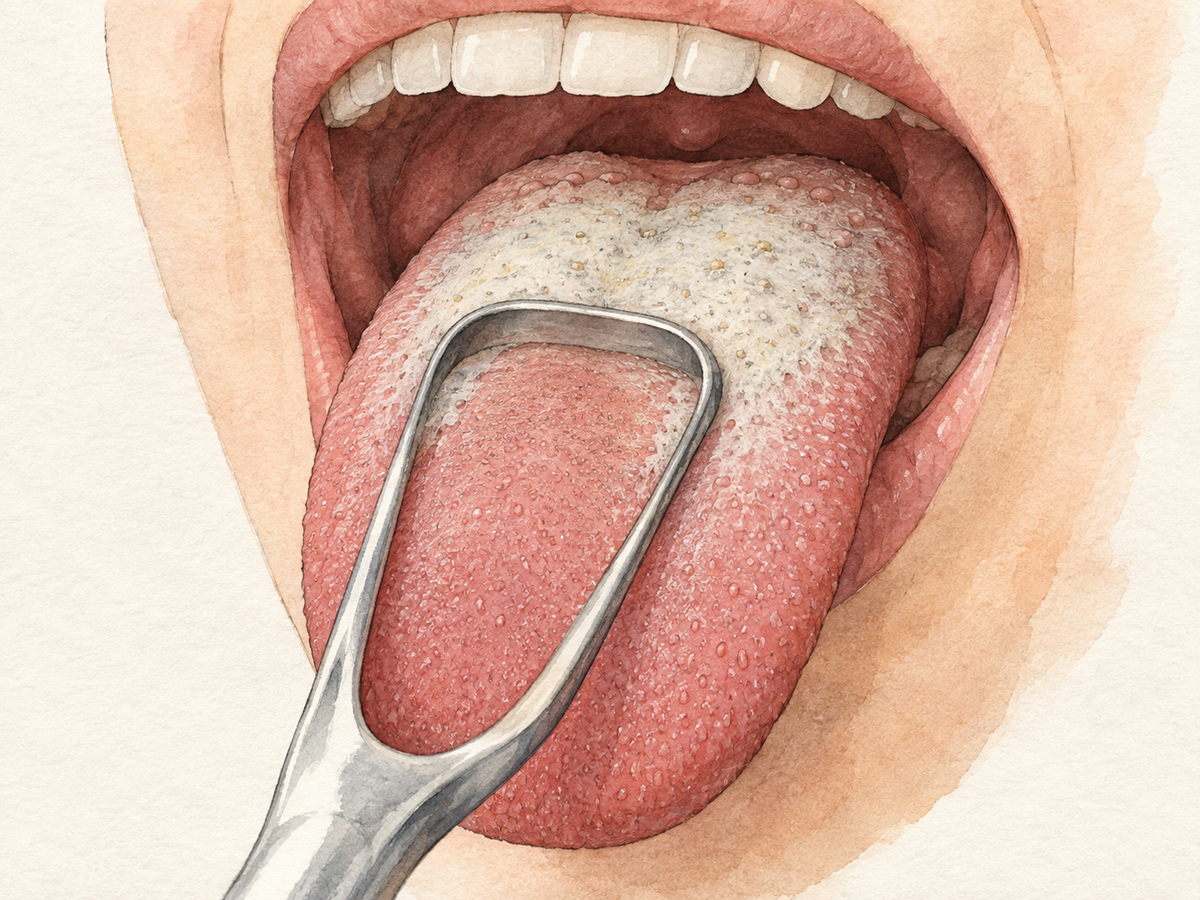
Oral thrush, or oral candidiasis, is a yeast overgrowth. It can cause white patches that may wipe off, burning, and a cottony feeling in the mouth. Triggers include dry mouth, steroid inhalers, recent antibiotics, and weakened immunity. Treatment is an antifungal medicine prescribed by a dentist or doctor.
Cold sores, also called herpes labialis, come from the herpes simplex virus type 1. Many people get a tingling or burning spot before the blister appears. The blister then crusts over. Triggers include stress, sun exposure, fever, and illness.
Early treatment matters. Antiviral medicines can shorten healing time and reduce pain when started at the first tingle or blister, according to a meta-analysis of antiviral treatment. Topical or oral antivirals are used depending on how severe or frequent the outbreaks are.
Ulcer and Outbreak Infections: What Looks Like an Infection but Isn’t
Not every mouth sore is an infection.
Canker sores, or aphthous ulcers, are not contagious. They are painful, shallow sores that can appear on the inside of the lips, cheeks, or under the tongue. First-line care usually involves a topical medicine to protect the area or reduce discomfort, according to a review on recurrent aphthous stomatitis.
Hand-foot-mouth disease and herpangina are viral infections that can spread. They both tend to cause fever and painful mouth sores. Hand-foot-mouth disease often adds a rash on the palms and soles. Herpangina tends to cause sores clustered at the back of the mouth, such as the soft palate and tonsils, without the hand or foot rash. These patterns are described in clinical guidance on mouth ulcers in children.
Both viral illnesses usually clear on their own with fluids, rest, and pain relief. They spread through saliva, mucus, or stool, so handwashing and not sharing cups or utensils matter. Any mouth sore that lasts more than about two weeks should be evaluated by a dentist or doctor.
Prevention That Cuts Across All Eight
Pick two or three changes to start today. The goal is to keep germs from overgrowing in the first place.
- Brush teeth twice a day with fluoride toothpaste and clean between the teeth daily.
- Limit how often you have sugary foods and drinks, not just the amount.
- If your mouth feels dry, sip water often and ask a dentist or doctor about dry mouth treatments.
- Stop smoking. Smoking raises the risk of gum disease and mouth infections.
- Control blood sugar if you have diabetes, because high blood sugar can worsen gum infections.
- Avoid sharing utensils, cups, toothbrushes, or lip products during a cold sore or viral outbreak.
- Protect your lips from sun and manage stress if cold sores are a repeated problem.
Gum health guidance supports controlling plaque, stopping smoking, and managing diabetes as key parts of prevention, based on systematic review evidence on risk factor control.
Treatment: Home Care vs. Dental or Medical Help
Use this rule: mild, familiar, and improving symptoms may settle with home care and time. That could include gentle cleaning and over-the-counter pain relief. Toothache with swelling, fever, or any sign of spreading infection needs professional care.
| Symptom pattern | What to do |
|---|---|
| Mild, familiar, improving | Gentle cleaning, OTC pain relief if needed, watch closely |
| Toothache with swelling or fever | Call a dentist the same day; do not wait |
| Spreading swelling, trouble swallowing or breathing, eye involvement, uncontrolled pain | Call 911 or go to emergency care |
Warning signs that need urgent attention include limited mouth opening, true trouble swallowing, voice changes, fever, swelling near the eye or neck, and signs of sepsis. These are described in red-flag guidance for dental infections and guidance on odontogenic infections.
Your next step depends on the pattern:
- Mild gum irritation or a familiar cold sore: start home care and watch. See a dentist or doctor if it lasts or worsens.
- Toothache with swelling or fever: call a dentist. Antibiotics alone are usually not the answer.
- Sore that has not healed after about two weeks: see a dentist or doctor.
- White patches and a weakened immune system: contact a doctor or dentist right away.
- Spreading swelling, difficulty swallowing or breathing, eye involvement, or uncontrolled pain: go to emergency care.
Most common mouth infections are manageable when they are caught early. The best first step is daily plaque control, and the safest next step is knowing when to call for help.
This article has been reviewed by an oral health professional for accuracy. It is intended to provide general educational information and should not be used as a substitute for personalized medical advice, diagnosis, or treatment. If you have questions or concerns about your oral health, please consult a dentist, physician, or other qualified healthcare provider.