




Most wisdom tooth pain can be temporarily eased at home with a gentle saltwater rinse, a cold pack on the cheek, an over-the-counter pain reliever such as ibuprofen or acetaminophen, and soft cool foods. But home care only buys comfort. If you also have fever, spreading swelling, pus, trouble swallowing or breathing, or pain that lasts more than 2–3 days, stop self-treating and call a dentist or urgent care.
Why Wisdom Teeth Hurt So Much
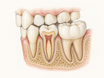
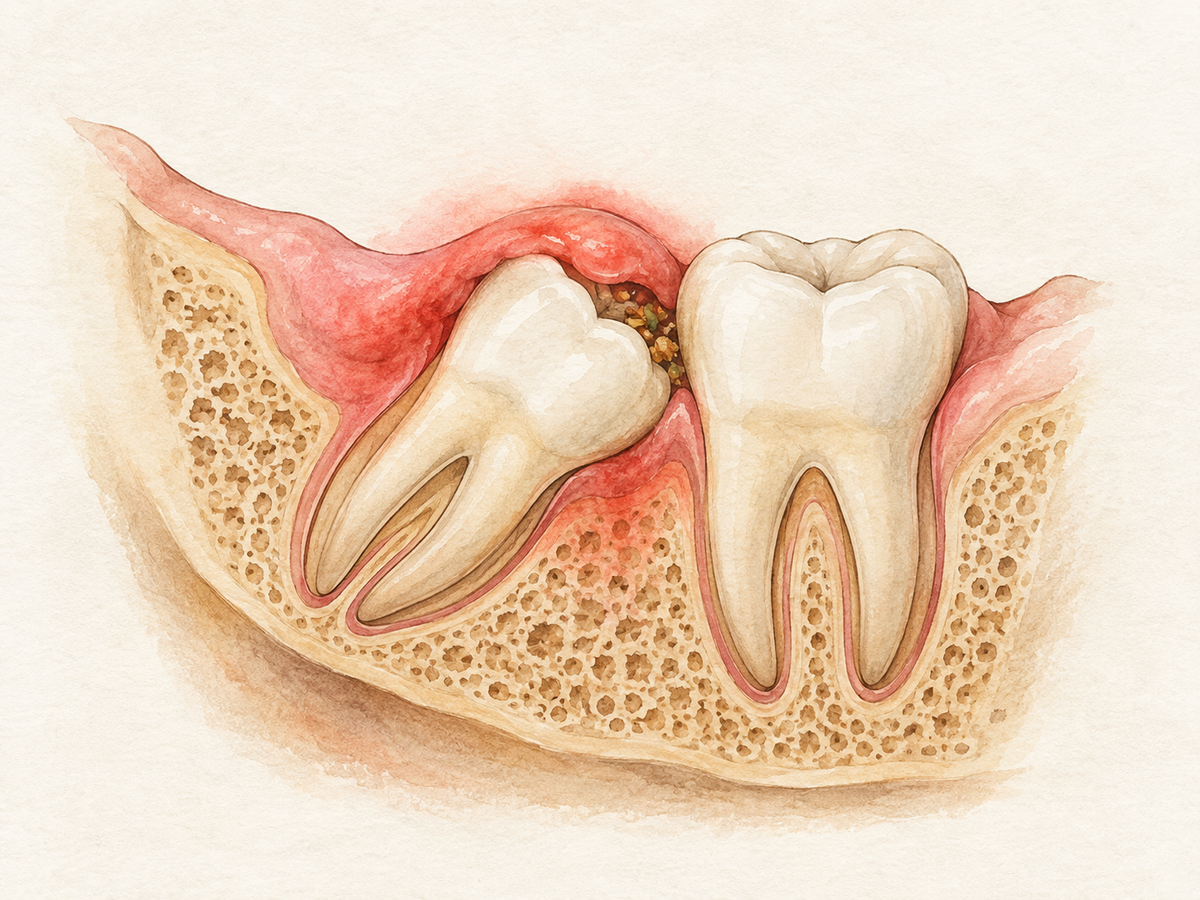
Wisdom teeth, also called third molars, are the last teeth to come in. They often do not have enough room, so they may push in at an angle or stay stuck under the gum. When a tooth is stuck, it is called impacted.
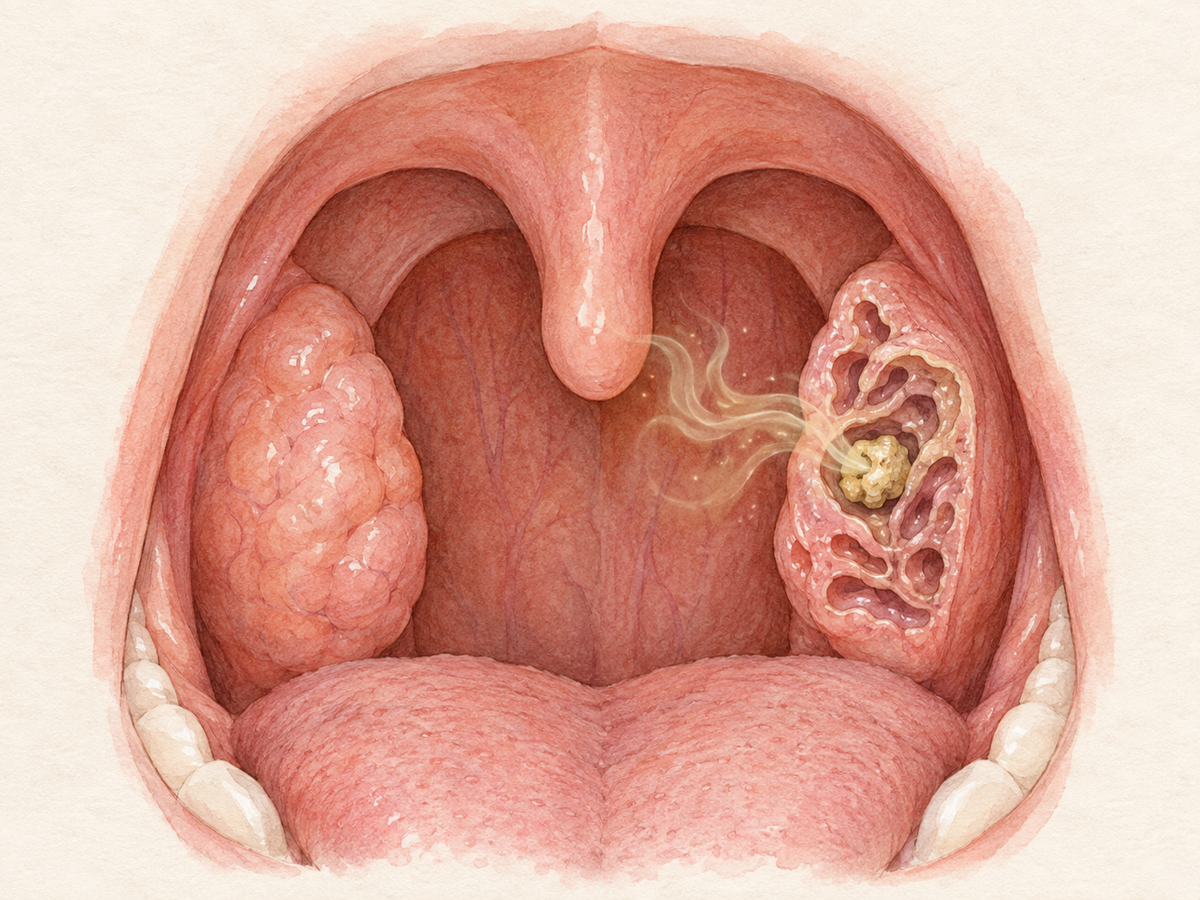
A partially erupted wisdom tooth can leave a small flap of gum over part of the tooth. That flap, or operculum, easily traps food and bacteria. The area is hard to clean, and germs can build up underneath it.
That irritation can turn into pericoronitis, which means the gum around the tooth has become infected and swollen. The pain is often throbbing and may spread to the ear, jaw, or throat. Most cases involve the lower wisdom teeth, according to clinical guidance on pericoronitis management.
So the pain is not just from the tooth pushing. It is often from pressure, swelling, and infection in the gum and soft tissue around the tooth.
Quick Home Remedies for Comfort
These remedies can help for a few days. They do not fix the underlying problem.
Saltwater rinse: Mix about half a teaspoon of salt into 8 ounces of warm water. Rinse gently for 10–15 seconds and spit it out. Do not swish hard. A saltwater rinse may help clear debris and may feel soothing, but the evidence for it is limited, according to a review of supportive home remedies for orofacial pain.
Cold compress on the cheek: Wrap an ice pack or a bag of frozen peas in a thin cloth. Hold it on the outside of your cheek for 10–15 minutes at a time. Never place ice directly on the gum. Cold therapy can reduce swelling and dull pain.
Clove oil on a cotton ball: Some people get temporary relief by dabbing a small amount of clove oil onto a cotton ball and holding it near the sore area. Use very little, and do not soak the gum. Traditional remedies like this have limited scientific proof, so treat this as extra comfort rather than a cure.
Chilled tea bag: A cool, damp tea bag held gently near the area may feel soothing. If it increases pain, stop.
Soft cool foods: Yogurt, applesauce, smooth soup, and smoothies are easier to eat. Avoid chewing on the painful side.
Sleep with your head elevated: Use an extra pillow or a wedge. Keeping your head raised can reduce throbbing at night.
The key with all home care is gentleness. Do not poke the flap, press on the tooth, or rinse aggressively.
OTC Pain Relief That Actually Works
For most dental pain, nonopioid options are the first choice, according to the American Dental Association clinical practice guideline on acute dental pain.
Here is what may help:
Ibuprofen: This is an anti-inflammatory pain reliever. It can reduce both pain and swelling. Use the dose on the label unless a doctor or pharmacist tells you otherwise.
Acetaminophen: This is a pain reliever that is an option if you cannot take ibuprofen or other NSAIDs. Do not exceed the daily limit on the label. High doses can harm the liver.
Benzocaine gel: A 10% or 20% numbing gel may give short-term relief for about 20–30 minutes when applied to the sore area, according to evidence on topical local anesthetics. Use it only as a temporary bridge until you can see a dentist.
What to avoid:
- Do not place aspirin directly on the gum or tooth. It does not target the pain and can irritate or burn the tissue.
- Do not overuse numbing gels. More gel does not mean better relief.
- Do not use an antiseptic mouth rinse just because the area hurts. A dentist may recommend one in specific situations, but mouthwash alone is not the treatment.
Common Mistakes That Make It Worse
Some habits can increase irritation, swelling, or infection risk:
- Smoking or vaping
- Eating hard or crunchy foods
- Drinking very hot or very cold liquids
- Poking the gum with fingers, toothpicks, or floss picks
- Lying flat during sleep
- Ignoring fever or spreading swelling
Lying flat can make throbbing worse because more blood flows to the head. Sleep propped up instead.
Poking the area can push bacteria deeper under the gum flap. The flap may already be swollen and tender, so leave it alone between rinses.
Red Flags: When to Stop Self-Treating
Some symptoms suggest an infection or a trapped-tooth problem that home remedies cannot fix. Stop home care and call a dentist or urgent care if you have:
- Swelling around the jaw or eye
- Fever
- Pus or a foul-tasting discharge
- Trouble swallowing
- Trouble breathing
- Lockjaw, meaning you cannot open your mouth normally
- Pain that lasts more than 2–3 days despite home care
Difficulty swallowing or breathing can be a sign of a spreading infection that needs urgent attention. The guidance on odontogenic infections describes these as reasons to seek professional care rather than waiting at home.
Any red flag means it is time to stop relying on home remedies and get professional care.
Dental Treatments for Lasting Relief
A dentist can treat the cause, not just the pain.
For early or mild pericoronitis, the dentist may clean under the gum flap and rinse out trapped food and bacteria. Local cleaning is often the main treatment, and antibiotics are usually not needed in mild cases, according to evidence-based recommendations for pericoronitis.
Antibiotics are reserved for more serious cases, such as when infection is spreading or you have a fever. They are not automatic.
If the gum flap keeps causing repeat infections, the dentist may discuss operculectomy, which means removing the small flap of gum.
If the wisdom tooth is impacted, decayed, damaging neighboring teeth, or causing repeated infections, removal may be recommended. This is often the most lasting solution. However, a single mild episode does not always mean you need the tooth out right away. The dentist will look at the tooth’s position, your symptoms, and the risks.
If you feel nervous about dental work, tell your dentist. Sedation or other comfort options may be available.
Recovery and Comfort After Treatment
After a tooth is removed or a procedure is done, healing takes a few days. To stay comfortable and protect the area:
- Use ice packs on the cheek for short periods to reduce swelling.
- Take pain medication exactly as directed.
- Eat soft foods and avoid chewing near the healing area.
- Do not use straws, smoke, or spit forcefully. Suction can disturb the blood clot that protects the healing socket.
- After 24 hours, start gentle saltwater rinses if your dentist advises them.
Watch for dry socket, a complication that can happen after extraction. Signs include pain that gets worse a few days after the procedure, a bad taste in the mouth, or an empty-looking spot where the tooth was removed. If you have this kind of worsening pain, call the dentist. Guidance on acute dental pain advises checking back with the dentist if pain persists on the second or third day after extraction.
Follow your dentist’s aftercare instructions and keep any follow-up appointment. That gives the area the best chance to heal and helps catch any future wisdom tooth problem early.
This article has been reviewed by an oral health professional for accuracy. It is intended to provide general educational information and should not be used as a substitute for personalized medical advice, diagnosis, or treatment. If you have questions or concerns about your oral health, please consult a dentist, physician, or other qualified healthcare provider.