TL;DR: That twinge in your tooth might be nothing — or it might be a cavity asking for attention. Not all cavities cause pain, and some are completely invisible to the naked eye. Here's what to look for in the mirror, what sensations to track, and the exact moment to pick up the phone for a dental appointment.

Could That Twinge Be a Cavity?
You're sipping an iced coffee and feel a quick, sharp zing in one tooth. Your first thought is probably, "Is that a cavity?" That question can stir up real anxiety. But knowing what to look for puts the power back in your hands.
A dental cavity — what dentists call tooth decay — is a permanently damaged area on the hard surface of a tooth that develops into tiny openings or holes. It happens when plaque bacteria feed on sugars from your diet and produce acids that slowly eat away at your enamel. Understanding this process matters because early detection can mean the difference between a simple fluoride treatment and a full filling.

Signs You Can Check Right Now
Before you panic, take a quiet moment to run through a simple self-check. Cavities often announce themselves in ways you can detect at home.
The most common symptom is a sharp, fleeting jolt when you consume something hot, cold, or sugary. This is tooth sensitivity — and it's often the earliest sign that your enamel has begun to thin or a small lesion has formed. You might also notice discomfort when biting down. Pressure on a compromised area can send a clear signal that something isn't right beneath the surface.
Try this: gently run your tongue over the tooth that's bothering you. Do you feel a rough edge, a sharp spot, or a sticky depression that wasn't there before? These subtle texture changes can indicate visible pits or holes forming. Pay attention to what you feel before what you see — early lesions often feel different long before they look different.
Key fact: Early-stage cavities can be symptom-free. The absence of pain does not guarantee the absence of decay. Regular dental check-ups catch what you can't feel.
What a Cavity Looks Like in the Mirror
Grab a mirror and some good lighting. What you're searching for depends on the stage of decay.
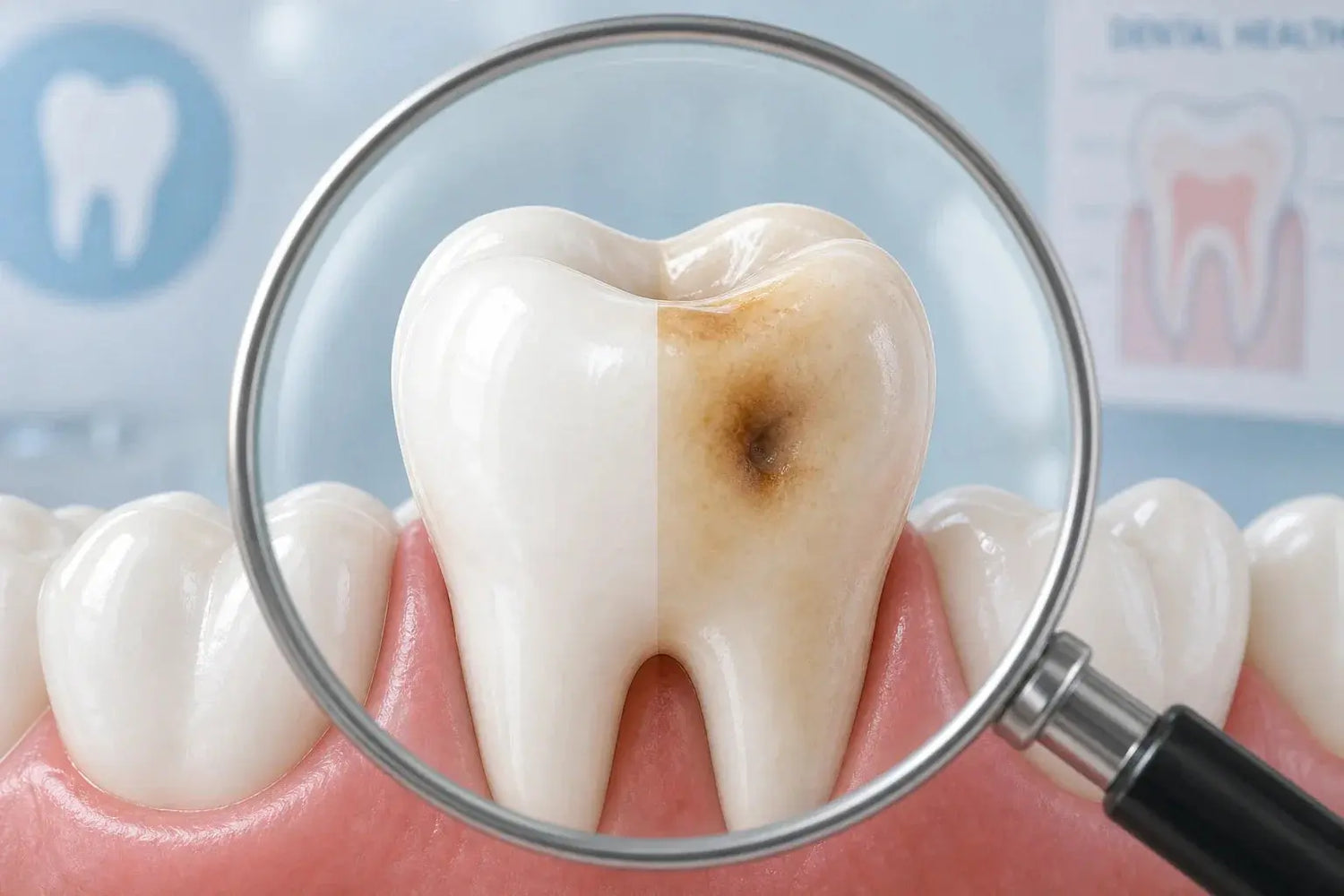
White spots are your earliest warning sign. These chalky, opaque patches — officially called enamel demineralization — look dry and matte against the shinier healthy enamel around them. At this stage, the process may still be reversible with fluoride and improved hygiene.
If decay has progressed, the appearance shifts to brown or black staining that doesn't scrub away with brushing. Check the deep grooves of your molars and the area right along the gumline. A brown spot nestled into a chewing surface fissure is a classic sign of an established cavity.
Here's something most people don't realize: a perfectly clean-looking tooth can still harbor a cavity. Interproximal cavities — decay between teeth — are completely invisible without dental X-rays. You can stare in the mirror all day and see nothing, which is why a professional exam with radiographs is irreplaceable.
Cavity or Just a Sensitive Tooth?
Not every tooth twinge means you're headed for a filling. Learning to distinguish between cavity pain and other common discomforts can spare you unnecessary worry.
Generalized sensitivity from gum recession or enamel wear tends to cause brief, widespread discomfort across several teeth. It's often triggered by cold air or cold drinks and fades almost instantly. A cavity, by contrast, usually produces a more localized ache that lingers for seconds or even minutes after the trigger is removed.
Consider this: sinus infections can refer pain to your upper back teeth, mimicking a toothache. Pain when biting might indicate a cracked tooth rather than decay. Even jaw muscle tension can masquerade as dental pain. These overlapping symptoms mean that a dentist's evaluation is the only way to get a definitive answer — but recognizing the pattern helps you describe your experience accurately at the appointment.
When to Pick Up the Phone
Some signs should never be ignored. If you experience any of the following, it's time to schedule a dental visit — and soon.
- Throbbing pain that doesn't stop: Constant, pulsating discomfort suggests the decay has reached the inner pulp of the tooth.
- A visible dark hole or pit: If you can see an actual opening, the enamel has cavitated and requires restoration.
- A bad taste in your mouth or persistent bad breath: This can signal infection or trapped food inside a cavity.
- Swelling near the tooth: Any bump on the gum, facial swelling, or fever alongside tooth pain is a red flag for an abscess.
Waiting too long allows a small problem to grow into a bigger, more expensive one. A 2020 systematic review on managing caries confirmed that early-stage lesions can often be treated non-invasively, but lesions that have progressed deep into dentin typically require restorative treatment.
What the Dentist Will Do
If the thought of a dental visit makes your palms sweat, knowing exactly what to expect can ease that anxiety.
First, your dentist will use a small, sharp instrument called a dental explorer to gently probe the suspicious area. Healthy enamel feels smooth and hard. A cavity often feels soft or sticky — a sensation the dentist is trained to detect. You may not feel any pain during this step.
If the tooth's position makes a visual exam tricky, or if your dentist suspects decay between teeth, they'll take an X-ray. This imaging reveals shadows and density changes that confirm the presence and depth of a cavity before it's visible on the surface.
Should a filling be necessary, the area will be numbed completely. Modern filling materials — most commonly tooth-colored resin composite — allow for minimally invasive procedures that preserve as much healthy tooth structure as possible. A systematic review from the American Dental Association found that direct restorative materials like composite and glass ionomer cement offer reliable, long-lasting results for treating cavitated lesions. The entire process is usually faster than most people imagine.
Remember: The best filling is the one you never need. Early detection changes everything.
Keeping Future Cavities off Your Mind
Once a cavity is treated, the focus shifts to prevention — and this is where daily habits become your strongest ally.
A cavity forms through a chain reaction: plaque bacteria metabolize sugars, producing acid that demineralizes enamel. As one 2023 microbiome study describes, external factors like frequent sugar intake drive the oral microbiota from a balanced state toward dysbiosis, where acid-producing bacteria dominate and enamel destruction accelerates.
Breaking that chain means disrupting plaque before it can organize.
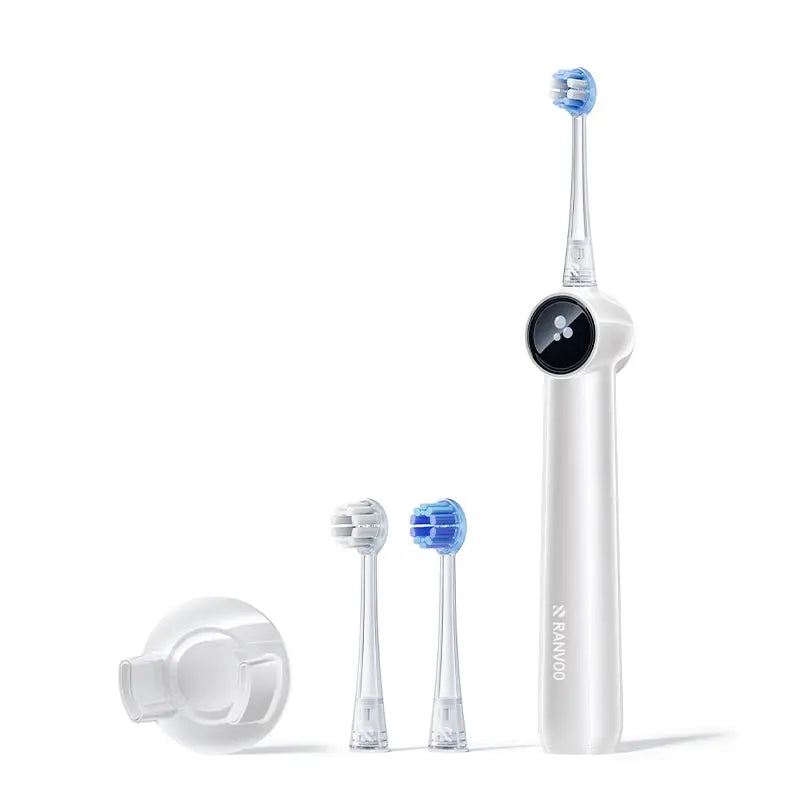
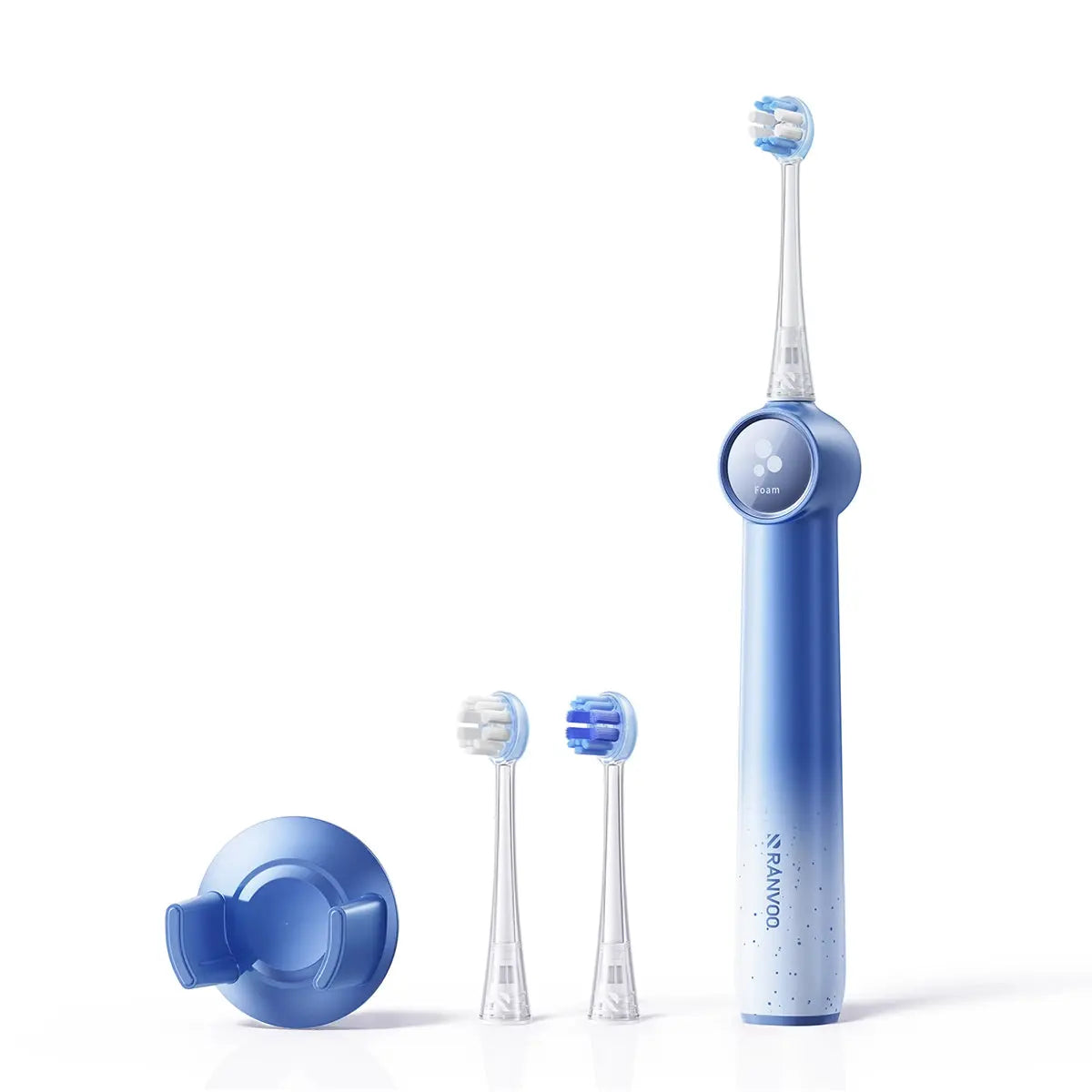
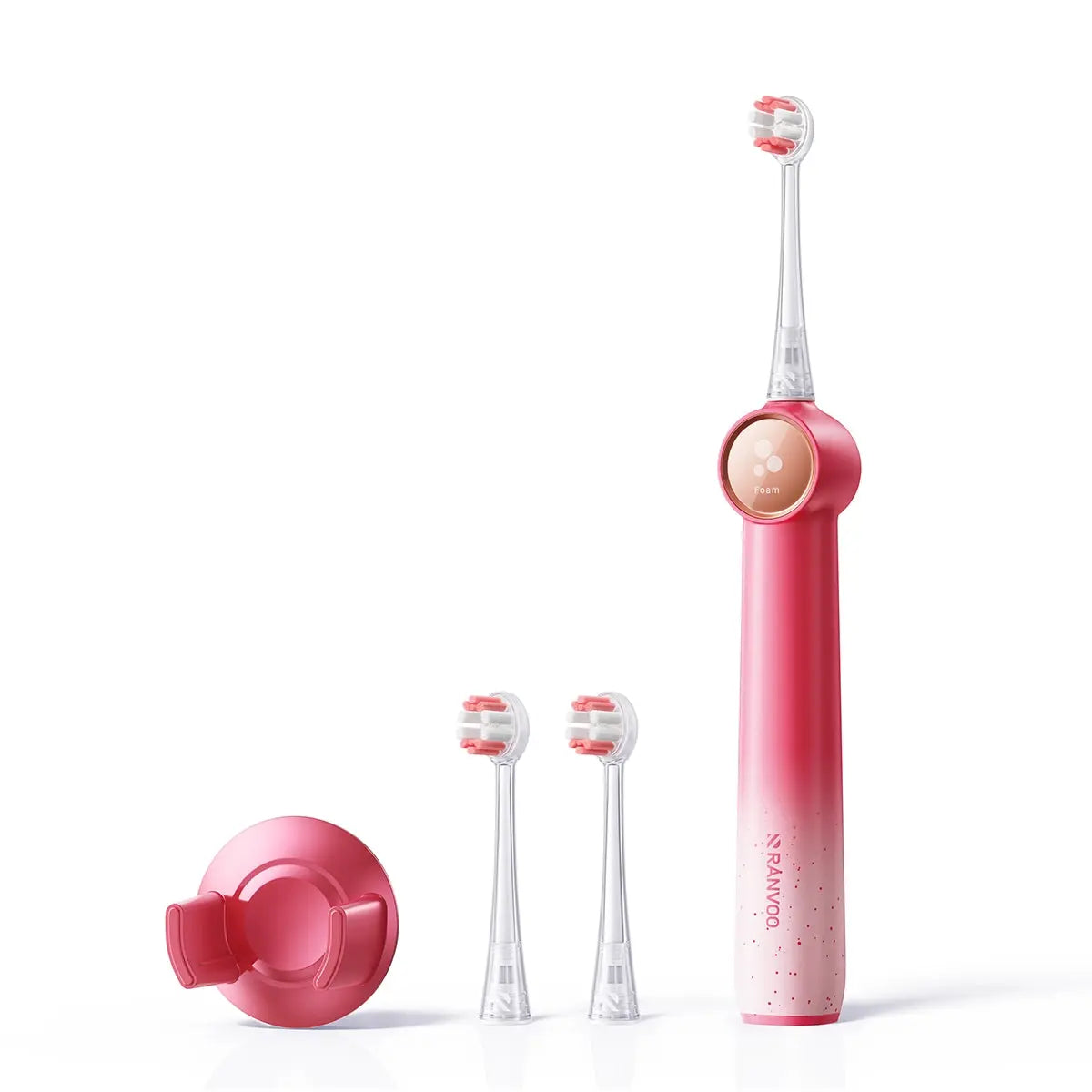
Switching to an electric toothbrush is one of the most effective upgrades you can make. The oscillating or vibrating bristle motion removes more plaque from tooth surfaces and along the gumline than manual brushing — directly reducing the bacterial load that drives decay. For areas around existing fillings or crowns, a power toothbrush provides consistent, thorough cleaning that helps prevent recurrent decay at restoration margins.
Beyond brushing, the American Dental Association recommends these proven strategies:
- Use fluoride toothpaste. Fluoride remineralizes weakened enamel and helps arrest early lesions. The ADA's evidence-based guidelines support the use of prescription-strength fluoride toothpaste or varnish for individuals at elevated caries risk.
- Clean between teeth daily. Floss or interdental brushes remove plaque between teeth where brushes can't reach.
- Limit sugar exposure to mealtimes. Frequent snacking or sipping on sugary drinks keeps the oral environment acidic throughout the day.
- Schedule regular dental check-ups. Professional examinations with X-rays detect problems you can't see or feel.