


Pericoronitis is an infection and inflammation of the gum tissue surrounding a partially erupted wisdom tooth. Most cases can be managed at home with salt water rinses and over-the-counter pain relief. But it becomes a medical emergency if you develop fever, facial swelling, difficulty swallowing, or trouble breathing — these signs mean the infection is spreading and requires immediate hospital care.

What Exactly Is Pericoronitis?
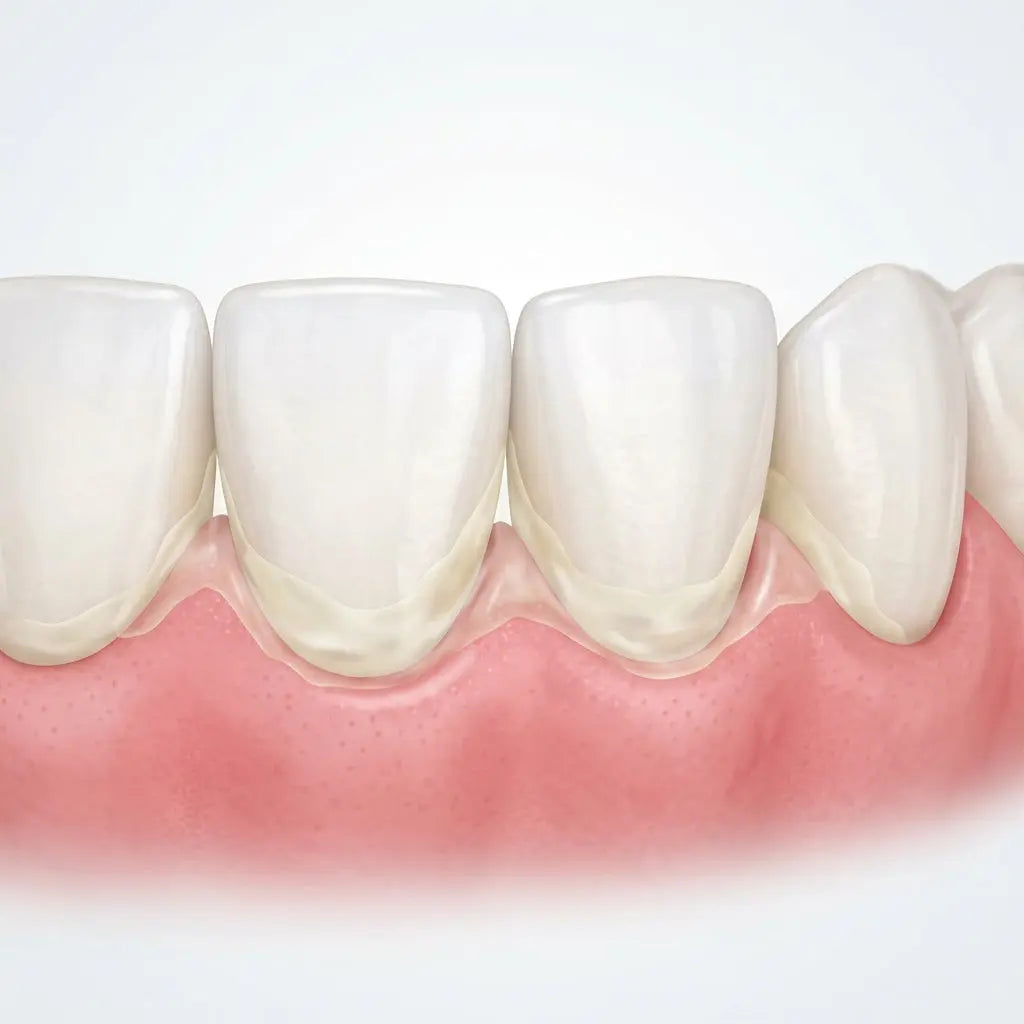
Pericoronitis happens when the gum tissue partially covers a wisdom tooth (third molar) that hasn't fully erupted. This gum flap is called the operculum, and it creates a perfect trap for bacteria and food particles.
The area under the operculum is warm, dark, and difficult to clean — an ideal environment for bacteria to multiply. When they do, the result is inflammation and infection of the surrounding gum tissue.
There are two forms of pericoronitis:
- Acute pericoronitis: Sudden, severe flare-ups with intense pain, swelling, and sometimes pus. This is what most people search for when they're in distress.
- Chronic pericoronitis: Milder, recurring discomfort that comes and goes. You might notice a dull ache or bad taste in the back of your mouth that never fully goes away.
Pericoronitis most commonly affects lower wisdom teeth because they have less space to erupt properly. A study of Greek military recruits found the prevalence of pericoronitis to be 4.92%, with the highest rate in people aged 20–25. Another study of 155 patients found the peak age range was 18–28 years.
What Are the Symptoms?
If you're reading this, you probably already suspect you have pericoronitis. Here's what to look for to confirm your self-diagnosis:
- Pain at the back of the mouth: Usually a dull, throbbing ache behind your last molar. It may radiate to your ear, jaw, or throat on the same side.
- Swollen, red gum tissue: The gum flap over the wisdom tooth looks puffy and inflamed.
- Bad taste or pus: Pressing on the gum may release a foul-tasting discharge.
- Trismus (difficulty opening your mouth): Inflammation can affect the chewing muscles, making it hard to open wide.
- General malaise or low-grade fever: Your body is fighting an infection, which can make you feel run down.
What Causes It?
The chain of events is straightforward:
- Food debris and bacteria get trapped under the operculum.
- Poor oral hygiene in that hard-to-reach area allows bacteria to multiply.
- Physical trauma from the opposing wisdom tooth biting into the swollen gum flap makes things worse.
The trapped area is dominated by anaerobes — bacteria that thrive in low-oxygen environments. This is why antibiotics like metronidazole (which targets anaerobes) are often effective.
A 2021 review in the International Journal of Environmental Research and Public Health confirmed that most cases of pericoronitis are resolved with local intervention, including debridement and irrigation. Antibiotics should be reserved only for severe cases with systemic symptoms.

Can I Treat It at Home? (Step-by-Step Guide)
Yes — if your symptoms are mild and you have no signs of spreading infection. Here's exactly what to do:
Step 1: Warm Salt Water Rinses
- Mix ½ to 1 teaspoon of salt in 8 ounces of warm water.
- Swish gently for 30 seconds, focusing on the affected area.
- Repeat 4 to 6 times daily.
Salt water works by creating a hypertonic environment that draws fluid out of swollen tissues, reducing inflammation. A randomized controlled trial found that warm saline mouth rinses significantly reduced postoperative complications after dental extractions, and the same principle applies here.
Step 2: Over-the-Counter Pain Relief
- Ibuprofen (Advil, Motrin) is preferred because it reduces both pain and inflammation.
- Follow the dosing instructions on the label.
- Avoid aspirin if you're at risk of bleeding.
Step 3: Gentle Irrigation
- Use a curved-tip syringe (available at pharmacies) or a water flosser on the lowest pressure setting.
- Fill with warm water and gently direct the stream at the gum flap.
- Do not use high pressure — you could push bacteria deeper into the tissue.
Using a sonic electric toothbrush with a soft brush head can also help you clean this area more effectively than a manual toothbrush, reducing the bacterial load that fuels the infection.
Critical Warning
Do not try to cut, lift, or pop the gum flap yourself. This can introduce more bacteria, worsen the infection, and cause severe bleeding. The operculum is inflamed tissue, not a pimple.
When Must I See a Dentist?
Home care can manage mild symptoms, but pericoronitis rarely resolves completely without professional treatment. See a dentist if:
- You have a fever (over 100.4°F / 38°C)
- Your face is swelling, especially under your jaw or around your eye
- You have difficulty swallowing or breathing — this is a medical emergency
- Pain is not relieved by OTC medication after 24 hours
- You have recurrent episodes of pain and swelling in the same area
According to the StatPearls clinical resource, patients with significant trismus, a swollen floor of the mouth, or difficulty breathing must be transferred to the hospital immediately.
The most dangerous complication is Ludwig's angina — a rapidly spreading infection of the deep neck spaces that can compromise your airway. It's rare, but it's why you should never ignore the red flags listed above.
What Will the Dentist Do?
Professional treatment depends on the severity of your condition. Here's what to expect:
1. Professional Irrigation and Cleaning
The dentist will use sterile solutions (saline, chlorhexidine, or hydrogen peroxide) to flush out debris and bacteria from under the operculum. They may also use periodontal instruments for mechanical debridement.
2. Prescription Antibiotics
Antibiotics are reserved for cases where the infection is spreading or systemic symptoms are present. The most commonly prescribed are amoxicillin (500 mg every 8 hours for 5 days) or metronidazole (400 mg every 8 hours for 5 days). For penicillin-allergic patients, erythromycin is an alternative.
Important: A 2021 systematic review found that nearly 75% of dentists prescribed antibiotics for pericoronitis, but most cases don't actually need them. The review concluded that antibiotic overuse for pericoronitis is a critical factor in antimicrobial resistance. Local treatment should always be the first line.
3. Operculectomy (Gum Flap Removal)
If your wisdom tooth is well-positioned and has a functional role, the dentist may simply remove the operculum. This is a minor surgical procedure done under local anesthesia. It eliminates the "trap" that collects bacteria.
4. Wisdom Tooth Extraction
This is the definitive, long-term solution. If the tooth is poorly positioned, has no opposing tooth, or causes recurrent infections, removal is the best option. Studies show that extraction with appropriate adjunct treatments expedites recovery and minimizes the risk of infection spreading.
Using a power toothbrush with a pressure sensor can help you maintain gentle, effective cleaning around the extraction site during healing — but always follow your dentist's specific post-operative instructions.
How to Prevent Future Flare-Ups
While you're waiting for definitive treatment, these habits can reduce your risk of another painful episode:
- Use an interdental brush or water flosser to clean under the gum flap daily
- Avoid hard, sticky foods (nuts, popcorn, caramel) that get trapped easily
- Rinse with warm salt water after meals
- Brush thoroughly but gently around the area — a power toothbrush with a small brush head can reach the back of the mouth more easily
- Schedule a dental evaluation to decide whether extraction or operculectomy is right for you