











Chewing gum may briefly reduce hunger and curb cravings, but it is not a proven weight-loss tool. Studies show mixed results, and an 8-week trial in overweight and obese adults found no meaningful weight loss from chewing gum on a schedule. If you use gum, choose sugar-free and treat it as a small craving helper—not a replacement for eating fewer calories and moving more.
Stick with sugar-free gum, and stop if you notice jaw pain, bloating, or stronger hunger.
Why Chewing Gum Might Reduce Hunger
When you chew gum, your mouth stays busy. That mouth stimulation—the repeated act of chewing—may send signals that briefly take the edge off hunger. A review of chewing studies found that prolonged chewing reduced self-reported hunger, though the effect was modest. Chewing and appetite research
Flavor may also play a role. A minty or sweet taste can create a taste contrast that makes food seem less appealing for a little while. In one small study, peppermint gum reduced hunger ratings before breakfast, but strawberry gum did not. Chewing gum and appetite study
Whether this works for you depends on your eating patterns. If you often snack when you are bored, stressed, or watching TV, gum may interrupt that habit. If you are truly hungry, gum probably will not satisfy you.
What Research Shows About Weight Loss
The evidence is mixed. A 2025 review of randomized trials found that chewing gum often reduced hunger, desire to eat, and desire for sweet snacks, but the effects on calorie intake and weight loss were not conclusive. Effects of chewing gum on appetite and weight loss
One 8-week randomized controlled trial—a study where people were assigned to chew gum or not—included 201 overweight and obese adults. Chewing gum for at least 90 minutes per day did not lead to greater weight loss than receiving nutrition information alone. Randomized controlled trial of chewing gum for weight loss
Short-term studies point in different directions. Some show people eat fewer calories at the next meal or snack, especially sweet snacks. Others show no difference in total daily intake. So even when gum helps, the benefit is usually small and not consistent.
Practical Ways to Use Gum for Cravings
If you want to test gum as a craving helper, keep it simple:
- Pick sugar-free gum. Regular gum adds sugar and extra calories.
- Chew one piece for 15 to 20 minutes before a meal or when a snack urge hits. Timing matters more than chewing all day.
- Use gum as a swap for high-calorie treats such as candy, cookies, or dessert. Have the gum first and wait a few minutes.
- Be consistent at your usual craving times, such as mid-afternoon or after dinner.
This is a supplement to your eating plan and activity routine, not a replacement. Gum will not make up for large portions, high-calorie foods, or a sedentary day.
Pitfalls That Can Sabotage Your Efforts
Gum can backfire if you are not careful.
- Sugary gum adds calories. If you chew sweetened gum often, the extra sugar can work against your efforts.
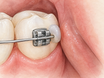
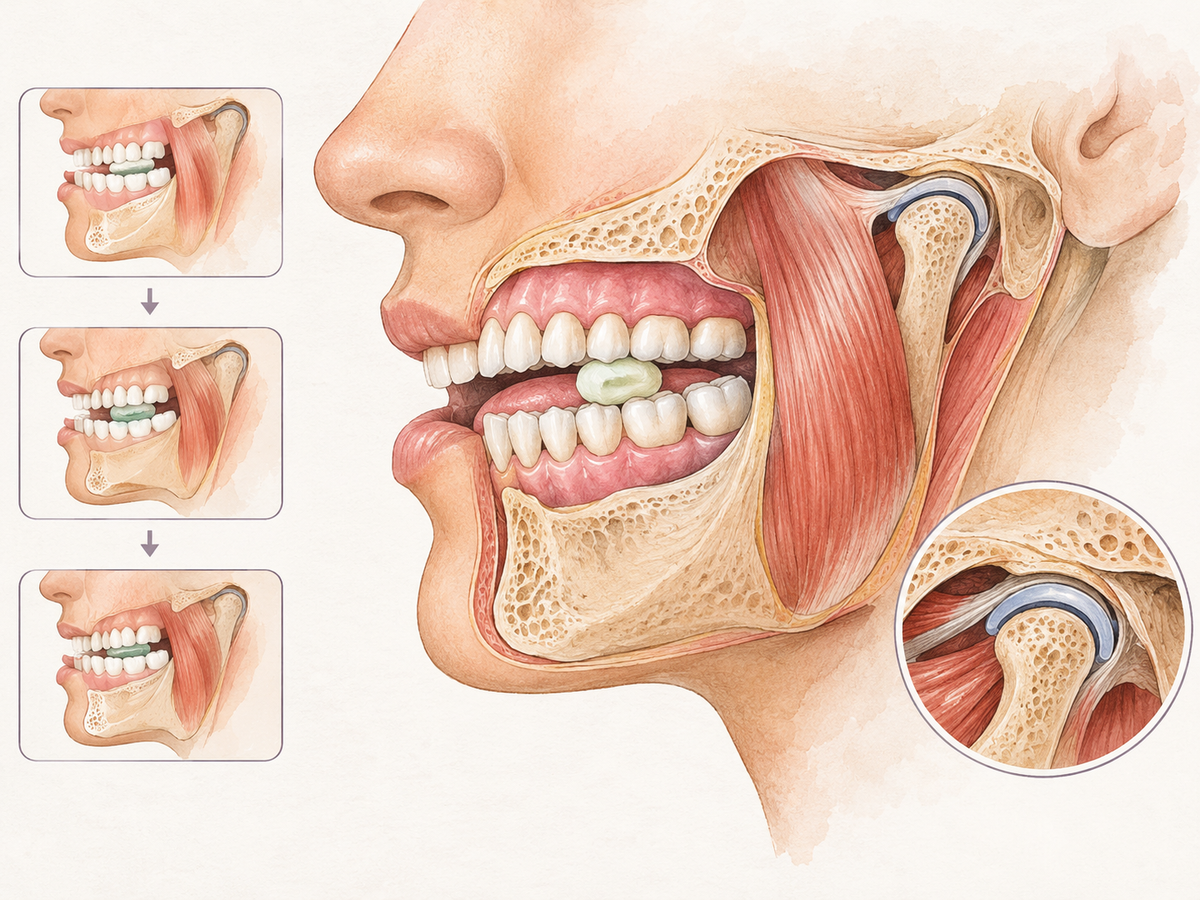
- Chewing too much may cause jaw pain. A dental review notes that prolonged gum chewing—especially hours per day—has been linked to jaw muscle pain and jaw joint problems. Chewing gum and oral health review
- Bloating or gas. Sugar-free gum often contains sugar alcohols, sweeteners that can cause gas or bloating in some people when chewed in large amounts.
- Gum may increase hunger in some people. One summary noted hunger rose after chewing aspartame-sweetened gum, but fell after unsweetened gum. Your response may depend on the type and your own body. Chewing gum and lunch intake study
If gum makes you feel hungrier, triggers more eating, or causes pain, it is not the right tool for you.
Gum vs. Other Appetite Strategies
Gum is one option among many. Here is how it compares with other low-calorie ways to handle cravings:
| Strategy | What it may do | Keep in mind |
|---|---|---|
| Sugar-free gum | Keeps your mouth busy and may briefly lower hunger. | Avoid chewing for hours. |
| Water | Fills your stomach with zero calories and helps rule out thirst. | Try a glass before reaching for a snack. |
| Protein snack | Tends to be more filling than a carb-heavy snack. | Choose yogurt, eggs, nuts, or cheese in a sensible portion. |
| Brushing teeth | A clean-mouth feeling may signal that eating is over. | Mint toothpaste can make food taste less appealing. |
The best choice is the one that fits your routine and does not cause side effects.
Fitting Gum Into a Smarter Weight Loss Plan
Think of gum as a minor helper, not the main plan. Lasting weight loss comes mainly from a calorie-controlled eating pattern and regular physical activity. Gum may help you ride out a craving, but it will not create a calorie deficit by itself.
Focus on sustainable habits: eating more vegetables, lean protein, and fiber; moving more; getting enough sleep; and managing stress. If a piece of sugar-free gum helps you skip a nightly sweet snack, that can be useful. If it does not help, do not force it.
If you have jaw pain, frequent bloating, or feel that food cravings are hard to control, talk with a dentist or healthcare professional.
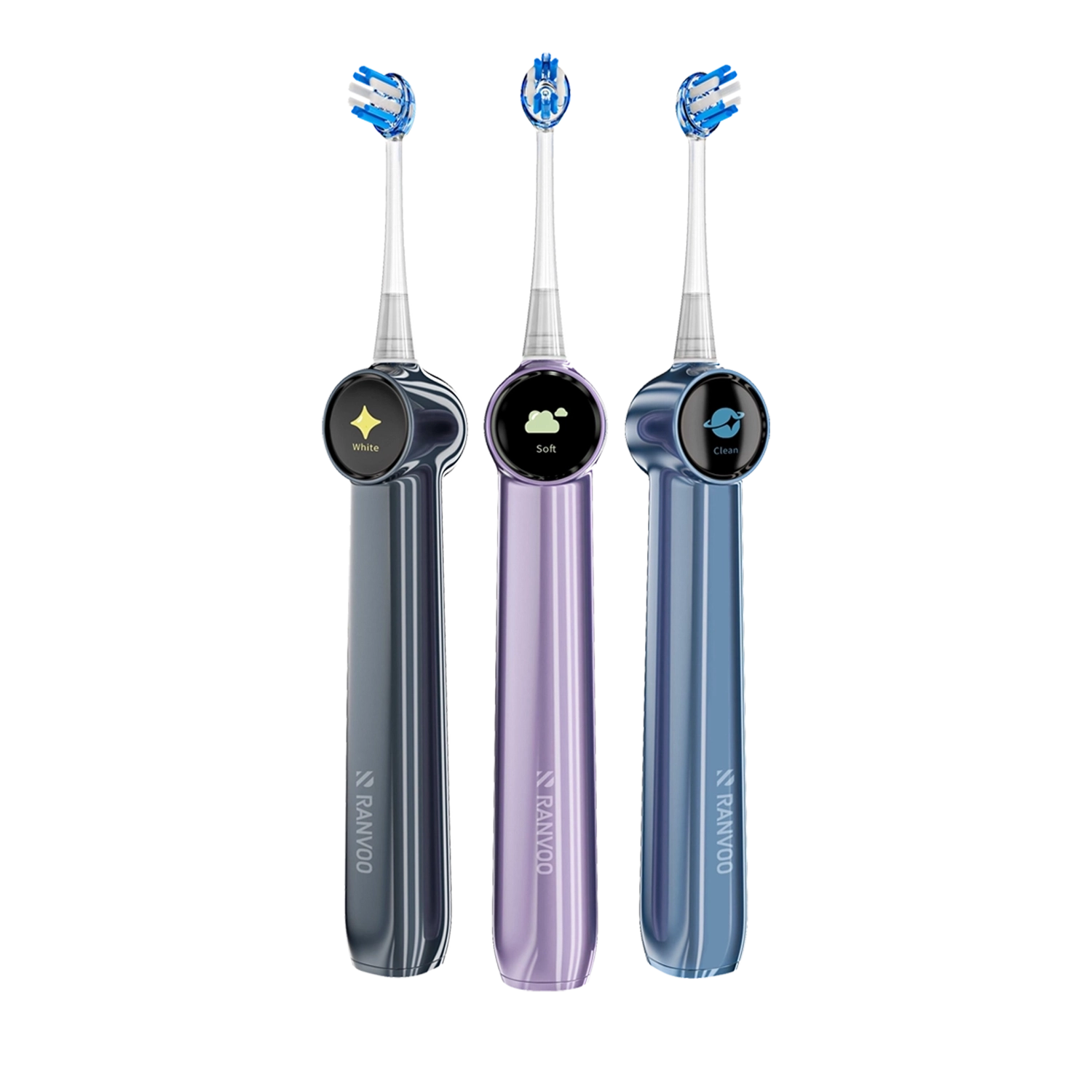
 Best Overall
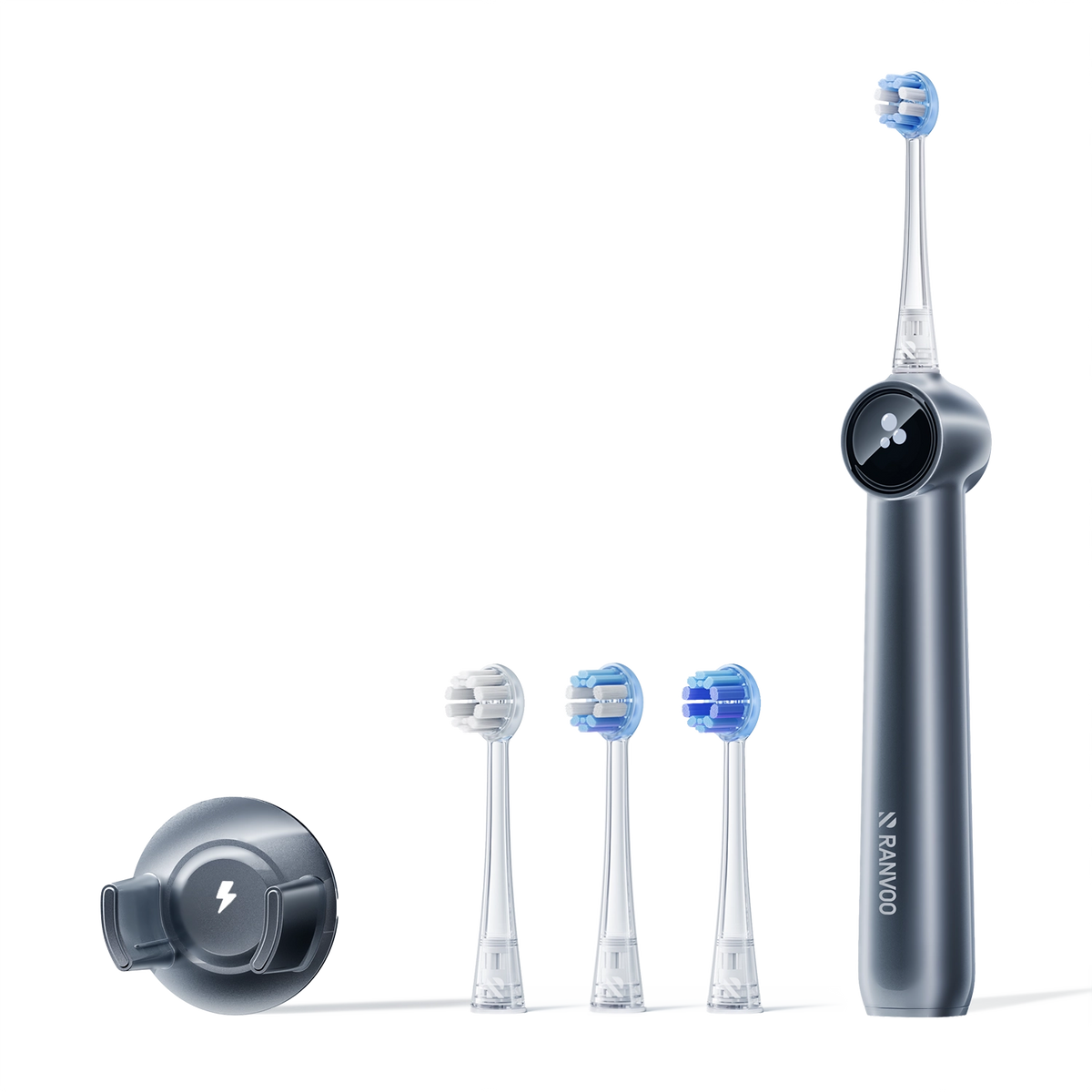
 Best Value
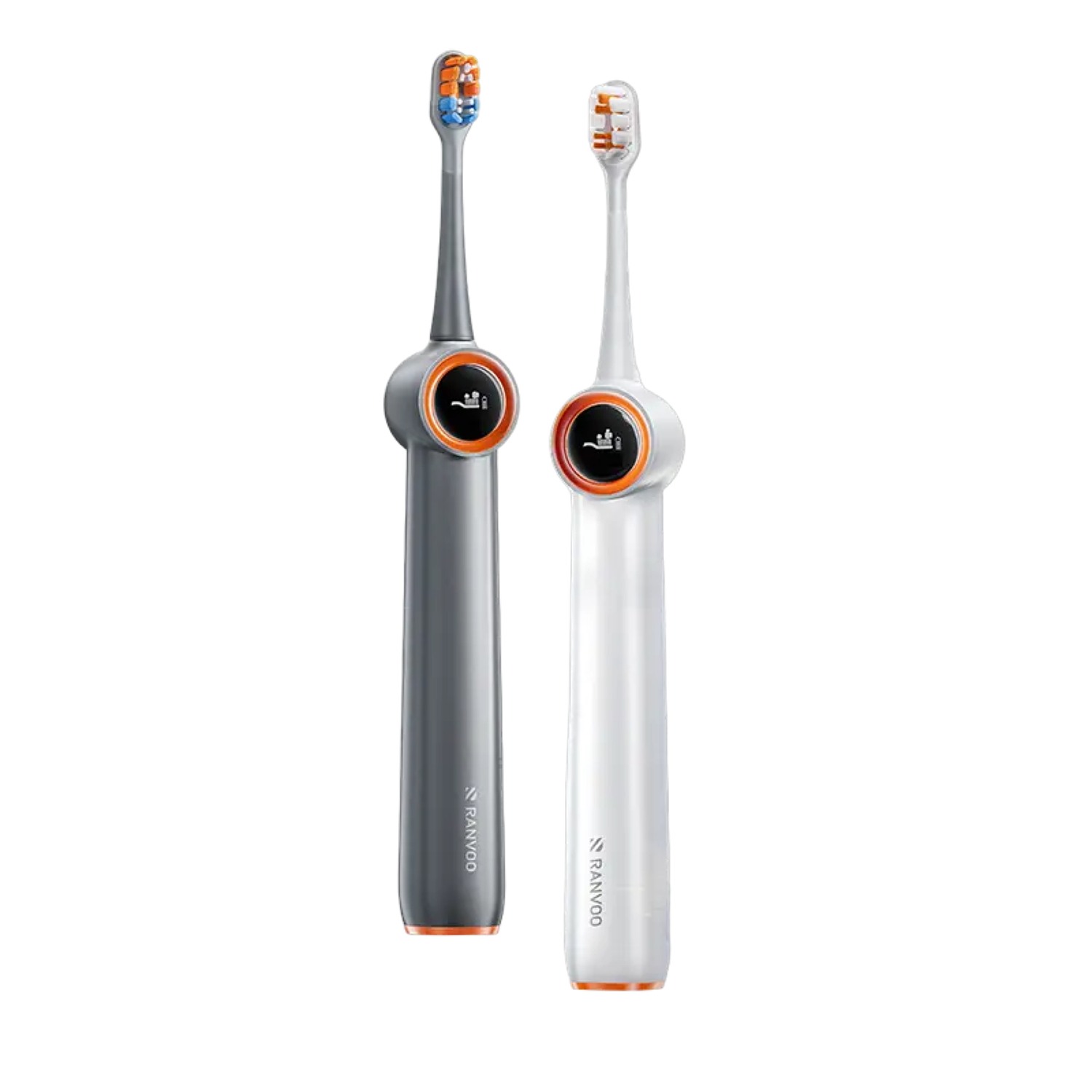
 Best for Sensitive Teeth
This article has been reviewed by an oral health professional for accuracy. It is intended to provide general educational information and should not be used as a substitute for personalized medical advice, diagnosis, or treatment. If you have questions or concerns about your oral health, please consult a dentist, physician, or other qualified healthcare provider.