





TL;DR: Brushing before breakfast is the safest bet for protecting your enamel — it clears away overnight plaque and coats your teeth with fluoride before any acidic foods arrive. If you prefer brushing after eating, simply wait 30–60 minutes to let your saliva neutralize the acids and re-harden your enamel. Either routine can work as long as you follow that pause.

You’re standing at the bathroom sink, toothbrush in hand, wondering: Should I do this now or after my coffee and toast? It’s a surprisingly heated debate, with friends, influencers, and even dental professionals sometimes giving contradictory advice. The confusion is real because the answer depends on what you eat and when you brush relative to those foods. Let’s clear up the science so you can feel confident about your morning routine.
Your Enamel in the Morning
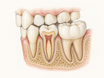
Overnight, your mouth becomes the perfect breeding ground for dental plaque — a sticky biofilm packed with bacteria. Saliva flow drops dramatically during sleep, so those microbes multiply undisturbed, producing acids that weaken tooth enamel even before you open your eyes. When you wake up, your enamel is already under a subtle acid attack.
Now consider your typical breakfast: a glass of orange juice, a bowl of sugary cereal, a slice of sourdough toast, or that essential cup of black coffee. Most breakfast foods and drinks are acidic, with a pH well below the critical pH (5.5) at which enamel begins to dissolve. Acids from citrus fruits, coffee, and many popular morning beverages can soften the enamel surface, making it vulnerable. So the decision you make at the sink truly matters for long-term protection against acid erosion and dental caries (cavities).
Brushing Before You Eat
Brushing your teeth before breakfast delivers a one-two punch that many experts prefer. First, it physically removes the overnight plaque buildup, disrupting colonies of acid-producing bacteria like Streptococcus mutans before they get a fresh sugar feast from your meal. The American Dental Association notes that brushing immediately after waking helps eliminate these bacteria, increases saliva production, and creates a protective barrier over the enamel.
Second, the fluoride from your toothpaste forms a temporary shield on your teeth called a fluorapatite layer. When acidic food and drink arrive later, this coating buffers the attack and tips the ongoing remineralization/demineralization balance toward repair instead of erosion. Think of it as putting on a raincoat before stepping into a drizzle — you’re not just cleaning the sidewalk; you’re actively defending the surface.
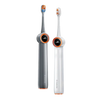
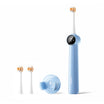
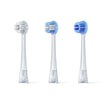
A thorough pre-breakfast brushing also tackles morning breath and kickstarts saliva flow, leaving you feeling fresh as you start your day. Using an electric toothbrush can make that pre-meal clean even more effective, removing plaque more completely than a manual brush does in the same two minutes.
The Risk of Brushing Right After Eating
Here’s where many people trip up. If you brush immediately after having something acidic — say, a grapefruit or a latte — you’re essentially scrubbing enamel that’s been temporarily softened. That combination of chemical softening and mechanical brushing causes abrasion, which can accelerate tooth wear over time. A 2008 study found that brushing after an acidic challenge resulted in three times more enamel loss than brushing before the acid exposure.
This isn’t about avoiding brushing altogether; it’s about timing. Enamel doesn’t stay soft forever. Your saliva is a remarkable natural buffer that dilutes acids, raises the mouth’s pH, and delivers calcium and phosphate to re-harden the enamel. The trouble is, that process isn’t instant.
Key stat: Delaying brushing by 60 minutes after an acidic challenge can reduce enamel wear by over 70% compared to brushing right away, according to an in situ study on bovine enamel.
The 30-Minute Waiting Window
Most dental guidelines — including those from the Mayo Clinic — recommend waiting 30 to 60 minutes after eating before brushing. During this time, your stimulated saliva works through a cycle that looks a lot like the Stephan Curve: after a meal, the pH in plaque drops steeply, then gradually climbs back above the critical 5.5 threshold as saliva neutralizes the acids. Once the pH recovers, the enamel surface partially re-hardens, making it safer to brush.
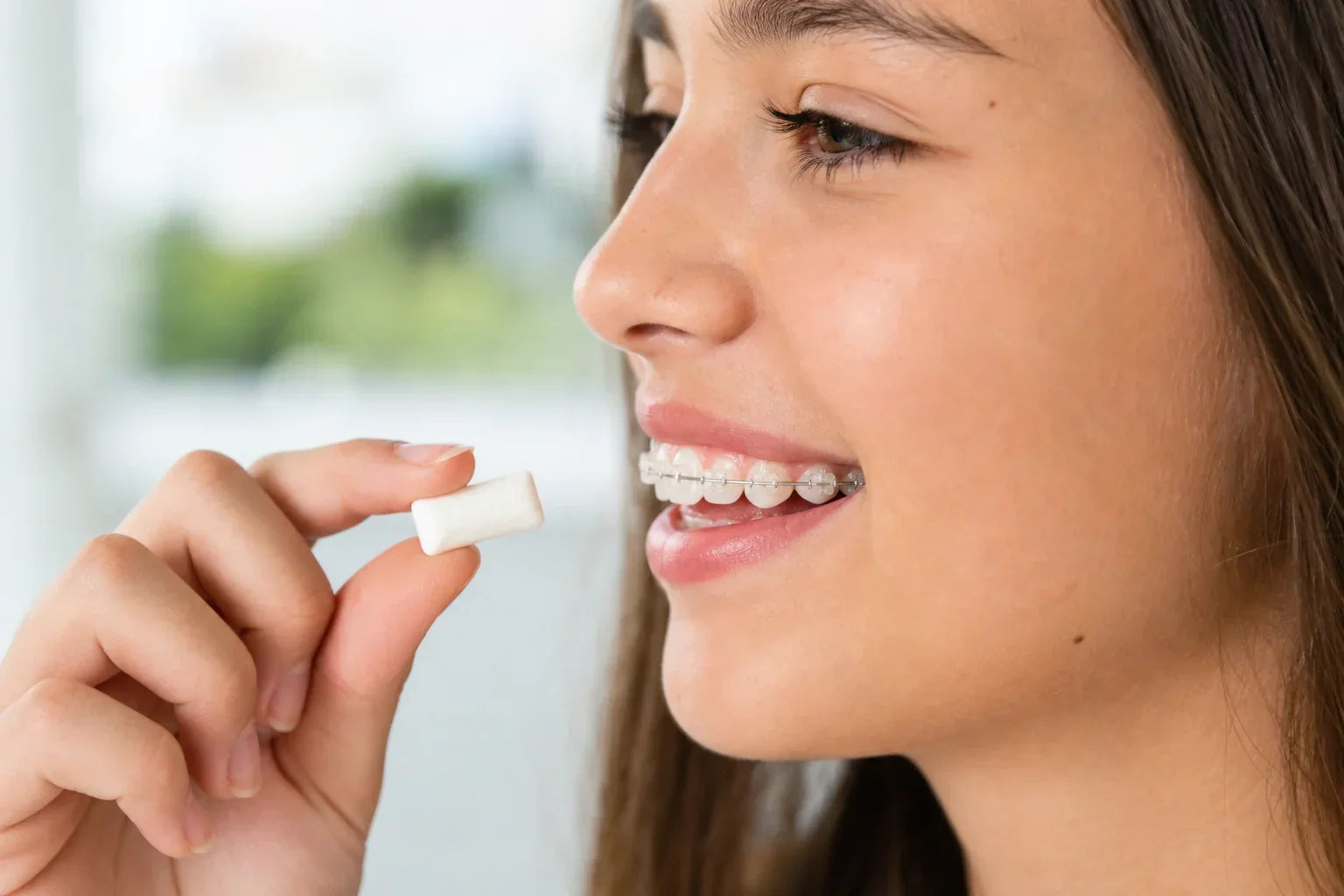
How you use that wait matters: - Rinse your mouth well with plain water immediately after eating to dilute acids. - Chew sugar-free gum (xylitol) — it boosts saliva flow and speeds up pH recovery. - Go about your morning tasks: shower, get dressed, pack your bag, then brush. - If you’re short on time, a fluoride mouth rinse can provide some protection while you wait.
If you do choose to brush after breakfast, a sonic electric toothbrush can help minimize abrasion risk because it relies more on fluid dynamics than heavy manual scrubbing. Just make sure you’ve honored that waiting period first.
The Safe, Simple Verdict
So which routine wins? Here’s the bottom line:
- Brush before breakfast. It removes plaque, adds a fluoride barrier, and avoids any risk of scrubbing softened enamel.
- If you must brush after eating, wait at least 30–60 minutes. Use the gap to rinse, chew gum, and let your saliva do its job.
This answer isn’t a one-size-fits-all rule — it’s a framework. If your breakfast is mostly neutral (cheese, eggs, milk, water), the risk is lower. If you’re sipping lemon water and eating strawberries, caution is your best friend. Professional consensus from international dental organizations increasingly emphasizes individualized advice based on your diet and cavity risk, rather than universal fear-based rules.
Your No-Stress Morning Routine
Consistency matters more than perfection. Here’s a flexible step-by-step guide to build the habit:
- Brush your teeth as soon as you wake up, using fluoride toothpaste and a gentle, thorough two-minute technique
- Enjoy your breakfast without worrying about the clock — your teeth are already protected
- After eating, rinse your mouth with water to wash away leftover acids and food particles
- If you’d rather brush after breakfast, eat first, rinse with water, then wait 30–60 minutes before cleaning your teeth gently

Ultimately, both timing strategies preserve your smile — as long as you respect the enamel’s need to re-harden. Pick the pattern that fits your life, and stick with it. Your morning mirror will thank you.


Leave a comment
This site is protected by hCaptcha and the hCaptcha Privacy Policy and Terms of Service apply.