






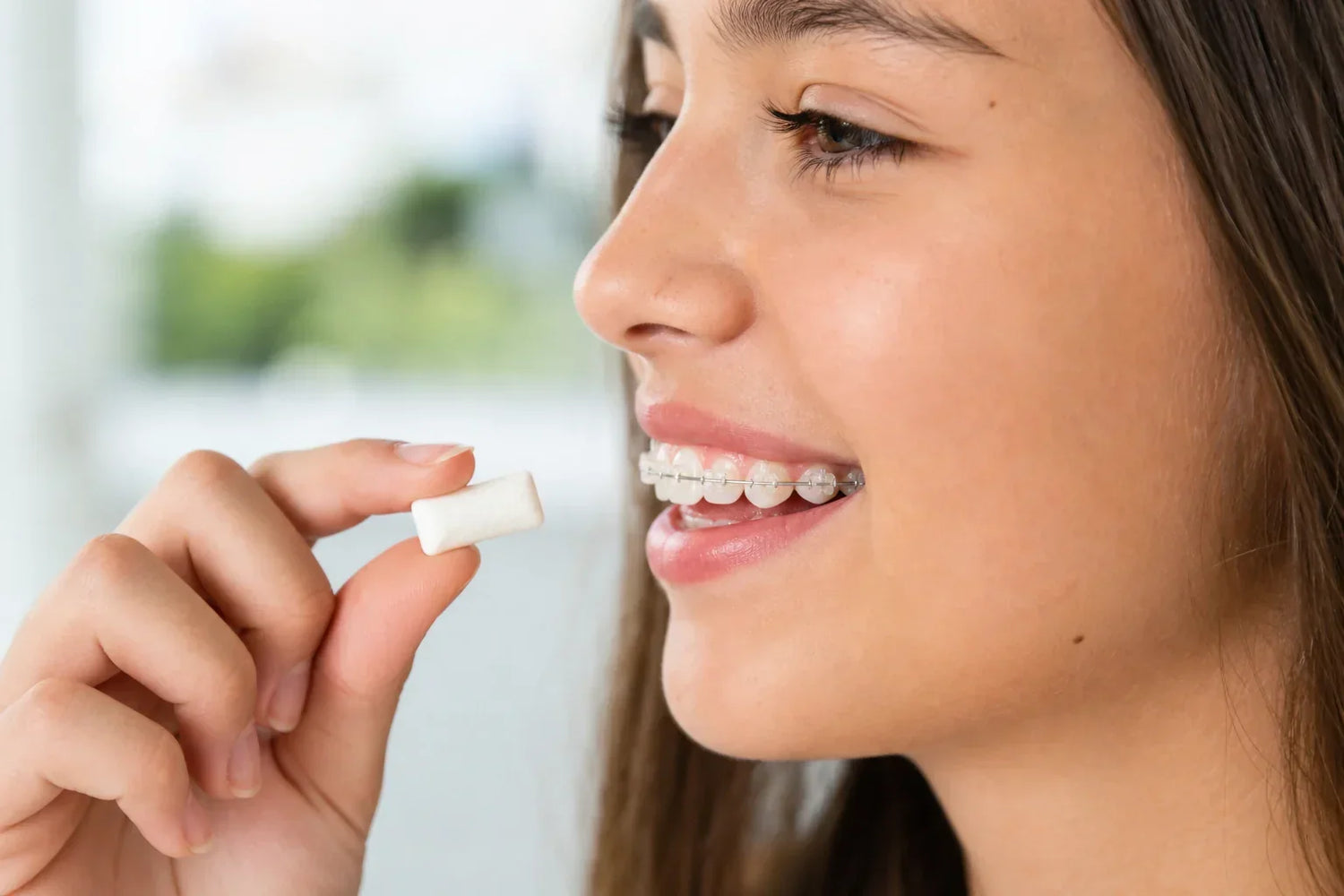
TL;DR: Yes, you can chew gum with braces — but only if you choose the right kind and follow specific ground rules. Sugar-free, non-stick dental gums are your green light. Sticky, sugary bubble gum is still a hard no. This guide walks you through exactly what’s safe, what’s risky, and how to enjoy gum without an emergency orthodontic visit.
For anyone in the middle of orthodontic treatment, few questions feel more urgent than “Can I just have a piece of gum?” Maybe your mouth feels dry after a meal, or you miss that refreshing burst of mint between classes. Hearing “no” to something so simple can make braces feel like a punishment.
The good news? The old-school blanket ban on gum isn’t the whole story anymore. Modern research and evolving clinical guidance have opened the door — slightly — to chewing gum while wearing fixed orthodontic braces. But that door comes with a very specific key.

Why Orthodontists Traditionally Cringe at Regular Gum
To understand the rules, you first need to understand what your orthodontist worries about when they see you unwrapping a stick of gum. The concerns aren’t arbitrary — they’re mechanical and bacterial, rooted in how orthodontic braces (brackets, archwires, bands, elastics) interact with a sticky, elastic substance.
The “Bracket Crowbar” Effect
Think of regular chewing gum — especially the sugary, waxy bubble gum varieties — as a tiny, delicious crowbar. When you chew, the gum doesn’t just compress between your teeth. It stretches, wraps around bracket wings, and then pulls back with surprising force as your jaws open.
That repeated tugging creates micro-stress on the adhesive bond between your bracket and tooth enamel. Over time, or with a particularly aggressive chomp, that stress can pop a bracket clean off. Risk of hardware damage like loose brackets, bent wires, or broken ligatures isn’t theoretical — it’s the most common reason orthodontists have historically said no.
Sugar: The Enemy You Can’t Brush Away
Brackets and wires create a playground of hiding spots for food debris. Now imagine layering a sticky, sugar-laden substance over those hiding spots. Regular gum leaves a sticky residue that clings to bracket edges, under archwires, and around elastic ties.
That residue feeds Streptococcus mutans, the primary cavity-causing bacteria. These bacteria produce acid that demineralizes enamel, leading to white spot lesions — those chalky, permanent scars that often greet patients when braces come off. A systematic review in JDR Clinical & Translational Research confirmed that sugar-free gum, in contrast, can actively reduce dental caries, but sugary gum does the opposite.
The Gum That Actually Gets the Green Light
Here’s where the conversation shifts. Not all chewing gum (the substance) is created equal. The orthodontist recommendation against gum is based on traditional sticky, sugar-packed varieties. A different category exists — and many orthodontists quietly approve it.
Your Safety Checklist
Before you even consider chewing, the gum must pass this three-part test:
- 100% sugar-free: No sucrose, no glucose, no dextrose. Compromised cleaning around braces means sugar is simply too dangerous.
- Xylitol-sweetened: Xylitol is a natural sugar alcohol with a unique superpower. Oral bacteria cannot ferment it, meaning no acid is produced. In fact, research on xylitol shows it can actively reduce levels of cariogenic Streptococcus mutans in saliva, making it a protective agent rather than a risk factor.
- Labeled “non-stick” or “dental gum”: Certain brands are formulated with a gum base that breaks down more quickly and resists clinging to dental work. Orthodontist-vetted brand names like Pur or Falim are designed specifically for this purpose. These gums release cleanly from brackets rather than embedding themselves into every crevice.
A major 2023 systematic review and meta-analysis published in the European Journal of Medical Research analyzed 15 studies with over 2,000 participants and found that chewing gum did not increase the rate of bracket breakage in patients with fixed orthodontic appliances.

How to Chew Without a Braces Emergency: The 5-Step Protocol
Having the right gum is permission. Knowing how to chew it is protection. This isn’t about fear — it’s about control. Following these steps means you get to enjoy gum while respecting the thousands of dollars of hardware in your mouth.
Step 1: Wait One Week After Adjustments
Right after an appointment, your teeth are tender. Archwire changes and tightening create peak inflammation and pain in the first 24 to 72 hours. Chewing anything during that window hurts — and your brackets are under maximum tension. Wait until your teeth feel normal again.
Step 2: One Piece Only
Doubling up increases the chewing force and the amount of gum that can get tangled. A single pellet or stick is plenty.
Step 3: Chew Slowly, With Back Teeth Only
Your premolars and molars are the powerhouse teeth. They’re larger, with more robust bracket bonds. Deliberately keep the gum on your back teeth. Avoid the temptation to bite down with your front incisors — those brackets are smaller and more vulnerable to torsional stress.
Step 4: The Five-Minute Rule
Set a mental timer. After about five minutes, sugar-free gum loses its elasticity and begins to break down into a tackier, more crumbly texture. That’s your cue to stop. Spit it out before it reaches the “tacky phase” where it starts clinging to surfaces.
Step 5: Clean Immediately
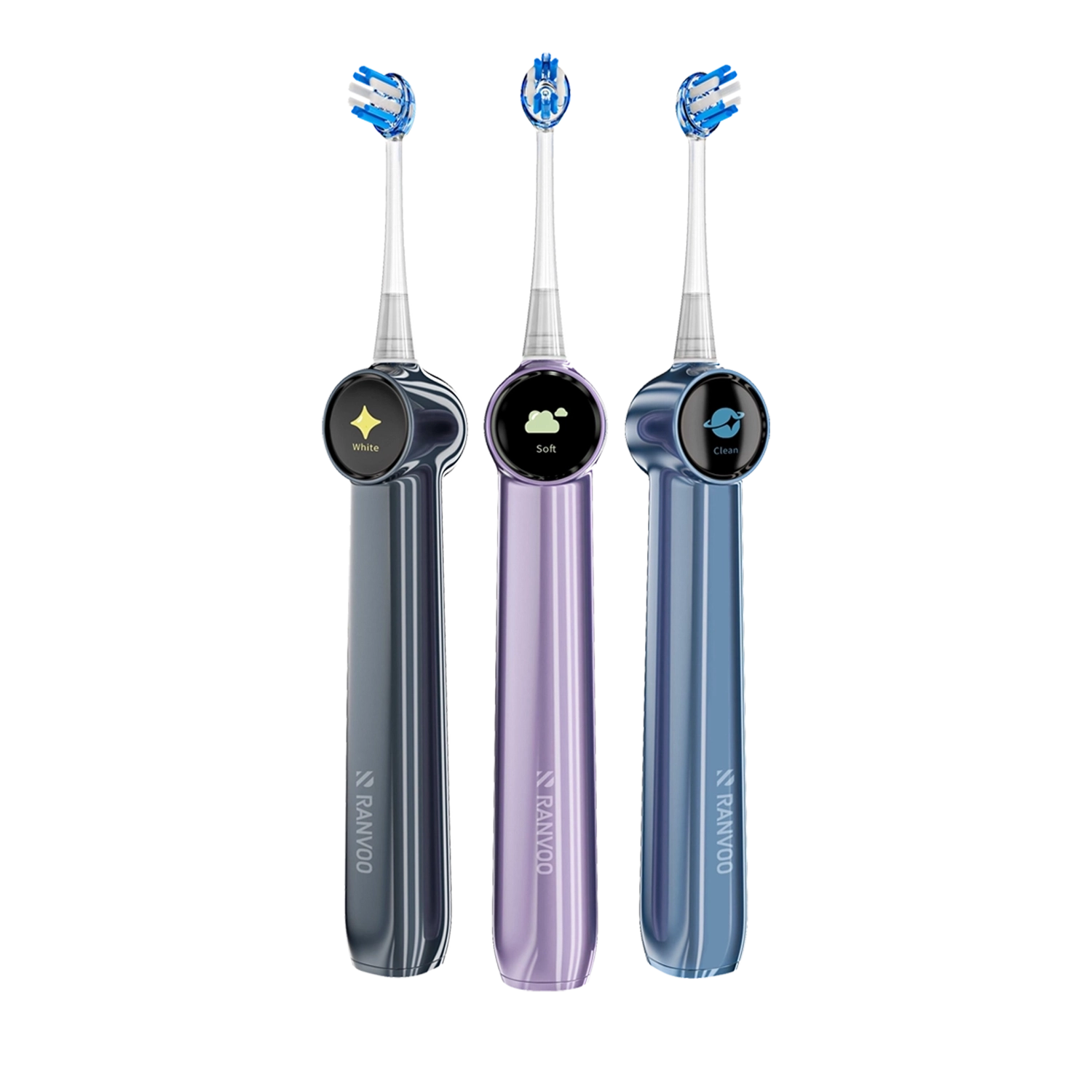
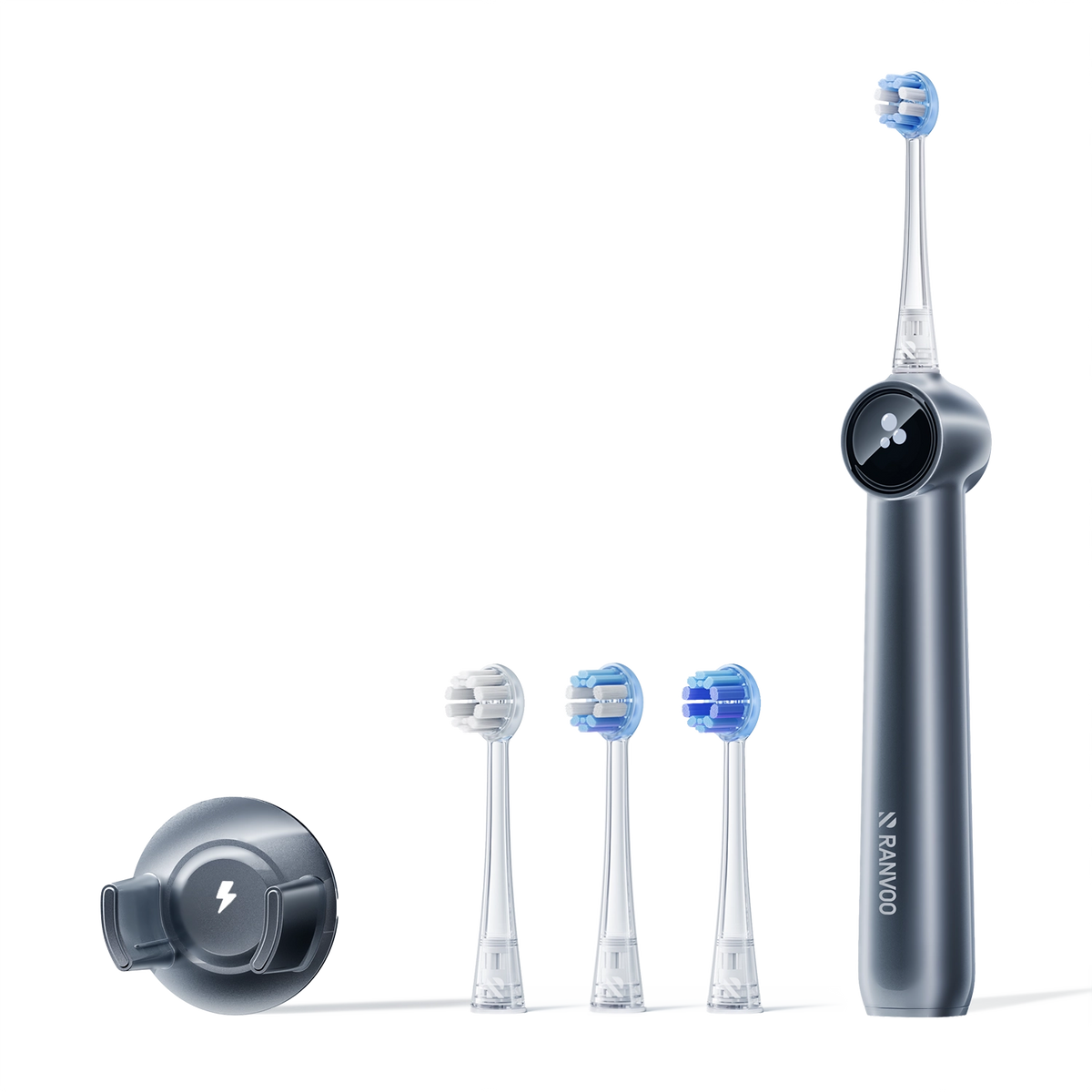
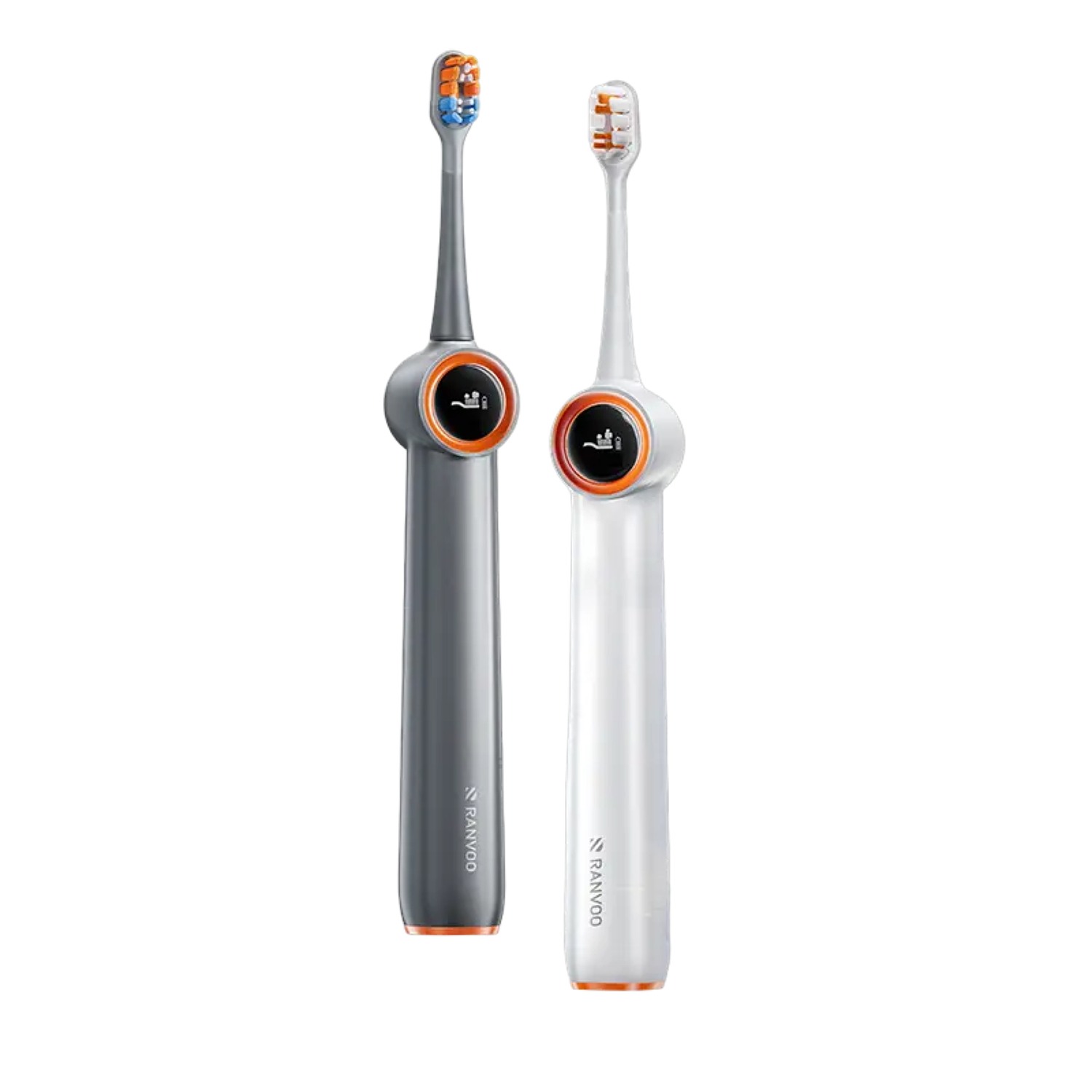
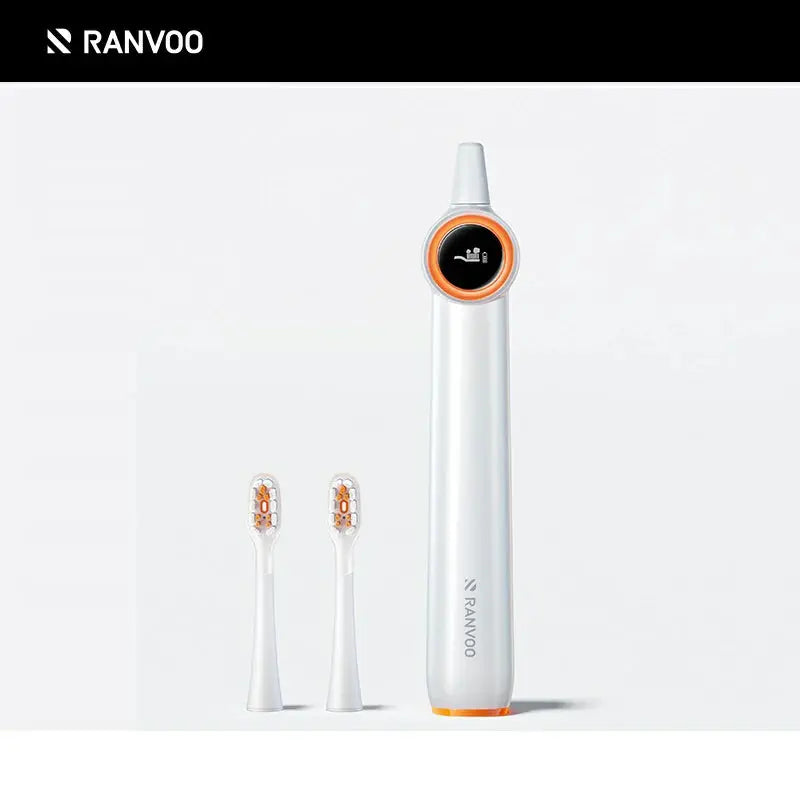
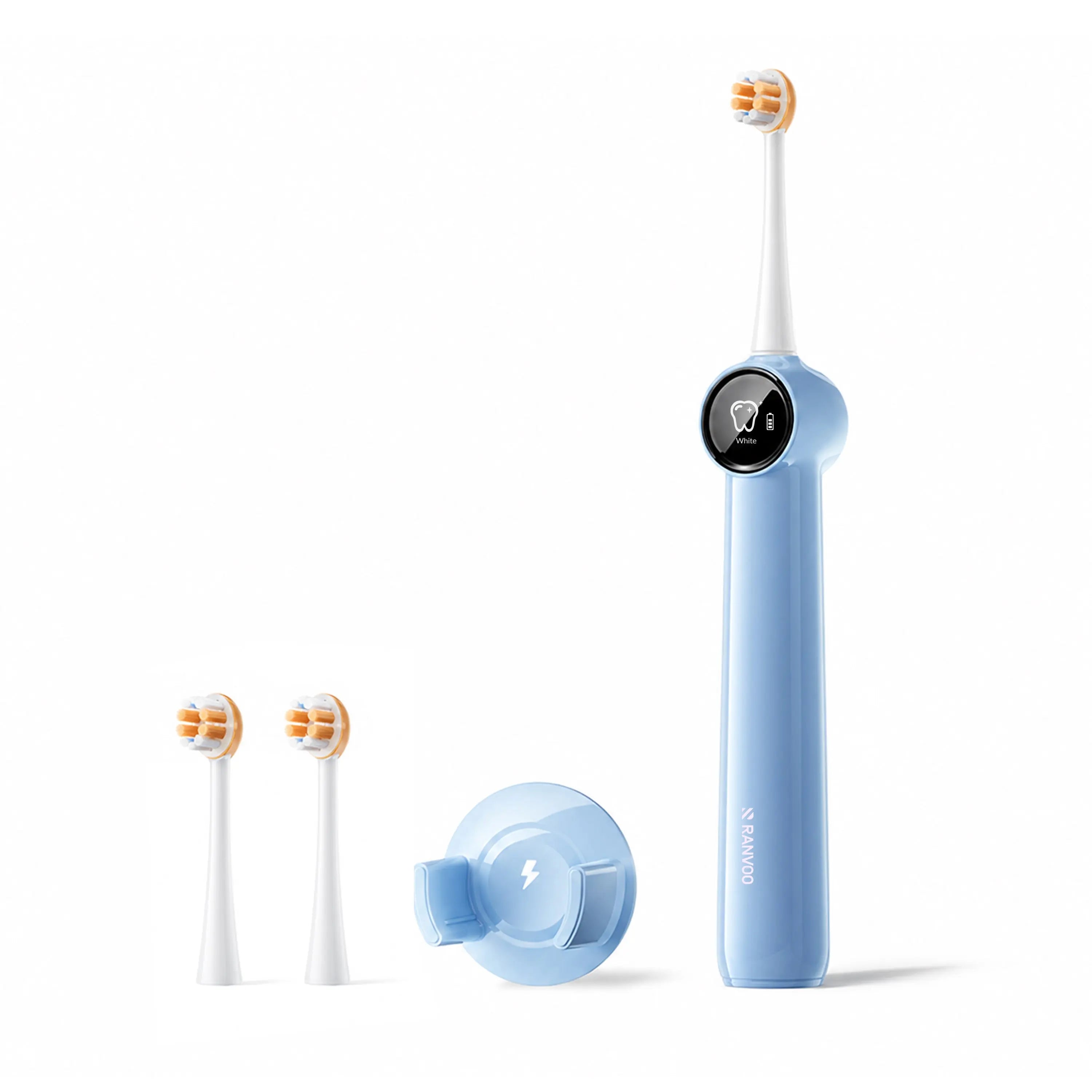
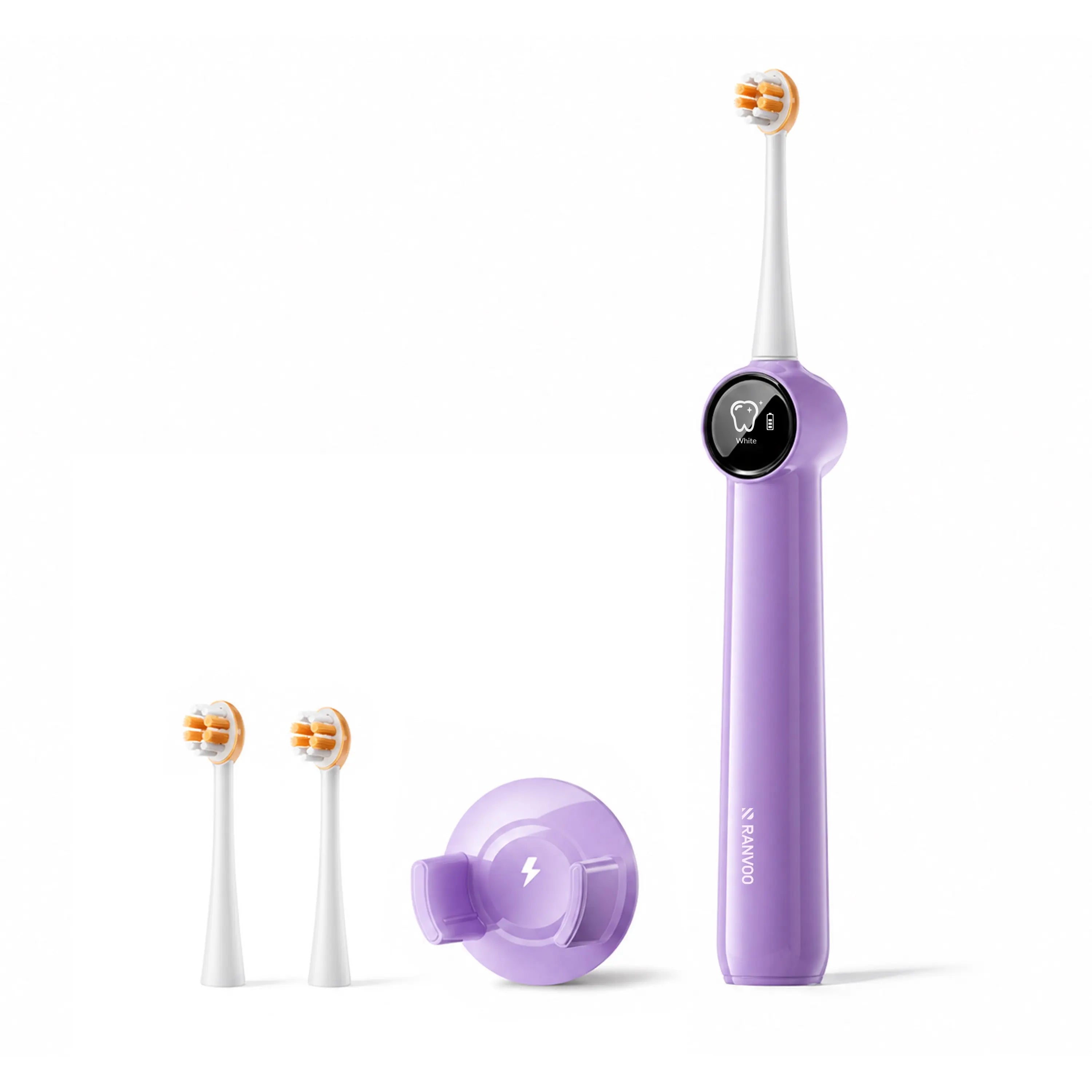
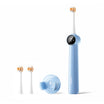
After spitting out the gum, rinse vigorously with water. Use an interdental brush or floss threader to remove any tiny fragments that may have lodged around your brackets. A sonic electric toothbrush can be particularly effective here, as its high-frequency vibrations help dislodge lingering particles from those hard-to-reach spaces around brackets while sweeping away plaque-causing residue.
The #1 Mistake That Sends You Back to the Orthodontist’s Chair
Let’s paint a quick, painful picture. It’s the day after your adjustment. Your teeth are finally starting to feel less like a bruise. A friend offers you a piece of bubble gum. You pop it in, and for a minute, the minty coolness feels great. Then you decide to blow a bubble. You feel a small ping against your cheek — that’s a bracket popping off the enamel.
This is the most avoidable blunder in braces care. Chewing hard, waxy, or bubble-gum varieties right after an adjustment combines maximum bracket vulnerability with the worst possible chewing substance.
Bubble gum is engineered for elasticity and film formation — it’s designed to stretch into thin sheets. Those thin, tenacious sheets wrap around brackets with terrifying efficiency. You’re not chewing anymore; you’re applying slow, steady, bracket-loosening tension with every jaw movement.
The randomized clinical trial by Benson and colleagues found no increase in appliance breakages with gum use — but that study used controlled, sugar-free gum under clinical conditions. The real world doesn’t have a control group. A broken bracket means an emergency orthodontic visit, potential costs, and a hard stop on tooth movement until it’s repaired. Each broken bracket can easily add four to six weeks to your total treatment time.
No-Risk Alternatives When You Just Need to Chew
Sometimes, the craving isn’t about gum at all. It’s about oral fixation — the need for sensory input, the desire for fresh breath, or simply wanting something to do with your mouth. You don’t have to feel deprived.
- Crunchy raw vegetables: Carrot sticks, celery, and bell pepper slices deliver that satisfying jaw resistance without stickiness. They stimulate saliva flow, which naturally cleanses the mouth. Cut them into thin, manageable strips to avoid biting forces that could pop a bracket on a whole carrot.
- Orthodontic-safe silicone chewelry: Designed for sensory needs, these non-stick, non-food chewable pendants provide the rhythmic jaw motion of chewing without any risk to hardware. They’re widely available and completely safe for braces.
- Sugar-free mints that dissolve: Slow-dissolving breath mints sit on the tongue and melt away, providing freshness without any chewing motion. They can’t get stuck, they can’t pull on brackets, and they leave no residue. Look for xylitol-sweetened versions for an added oral health benefit.
- Cold water or ice water swishing: Often, the desire to chew is actually just a dry mouth. A few good swishes of cold water can refresh the mouth and satisfy that sensory urge without any risk.
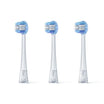
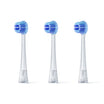
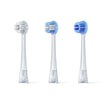
These alternatives pair perfectly with a consistent oral hygiene routine. When you can’t chew gum, brushing thoroughly around brackets becomes even more critical. Using an electric toothbrush with a smaller, round brush head helps you navigate each bracket precisely, ensuring nothing gets left behind to feed bacteria and threaten your treatment progress.
The 30-Second Takeaway
Three non-negotiable rules protect your braces and let you chew gum safely:
Only sugar-free, non-stick, xylitol-sweetened dental gums. Chew carefully and briefly — back teeth only, five minutes maximum. Never, ever chew gum right after an adjustment appointment.
You have your orthodontist’s permission — the evidence supports it. Now enjoy that piece of gum responsibly, knowing you’re protecting your investment and your smile every single time you chew.

This article has been reviewed by an oral health professional for accuracy. It is intended to provide general educational information and should not be used as a substitute for personalized medical advice, diagnosis, or treatment. If you have questions or concerns about your oral health, please consult a dentist, physician, or other qualified healthcare provider.