





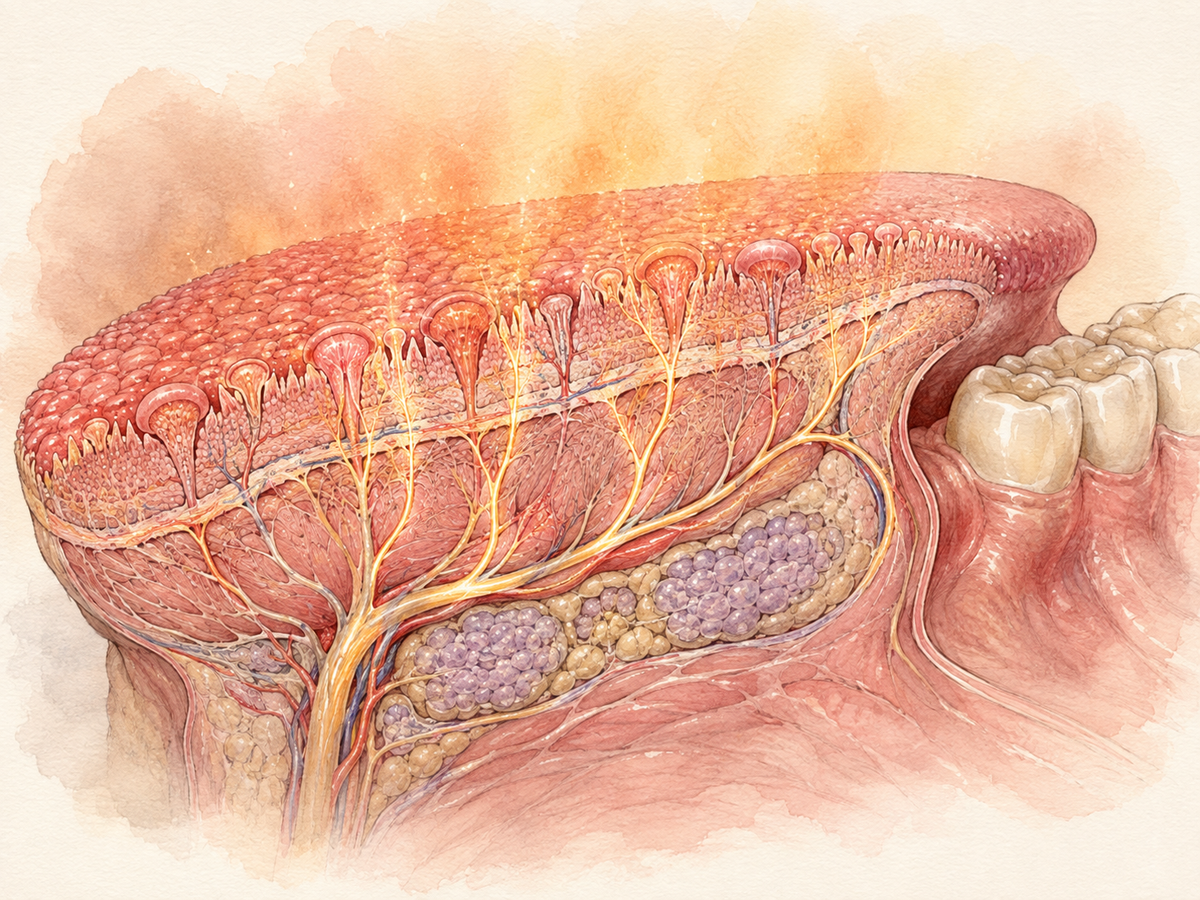
A burning, tingling, or scalded feeling in the mouth can sometimes be triggered by a medicine. A few blood pressure drugs, antidepressants, and hormone treatments have been linked to this. If a medicine is the trigger, a doctor may safely lower the dose or switch you to another option. When no trigger is found, prescription and non-drug treatments can still help calm nerve-related mouth pain. Do not stop or change any prescribed medicine on your own.
When a Medicine May Be Causing the Burn
Burning mouth syndrome (BMS) is ongoing mouth burning or discomfort without a visible sore, patch, or other clear cause. When a drug is the likely trigger, it is called medication-induced oral burning—mouth burning caused by a medicine.
Drugs linked to this kind of burning in case reports include:
- ACE inhibitors, a type of blood pressure medicine
- Some other blood pressure medicines
- Hormone replacement therapy
- Some antidepressants, including fluoxetine, sertraline, and venlafaxine
- In rare cases, antiseizure or anti-anxiety medicines
However, the evidence is mixed. One case-control study found people with BMS were actually less likely to be taking certain blood pressure medicines, including ACE inhibitors and beta-blockers, while anti-anxiety medicines were more common. So do not assume your medicine is the cause just because it appears on a list.
Primary BMS means burning mouth with no obvious cause and no visible mouth sore or abnormality. Medication-induced burning is different because there is a possible drug trigger. Case reports suggest that when the suspected medicine is stopped or swapped under supervision, symptoms often improve.
Some antidepressants show up on both sides: they can trigger burning in some people, but low doses of certain antidepressants are also used to treat the pain in others.
How It’s Diagnosed
BMS is usually a diagnosis by elimination—meaning clinicians rule out other causes before calling it primary BMS. There is no single test that says “yes, this is BMS.”
The usual path includes:
- Your medical and dental history.
- A full review of all medicines, over-the-counter drugs, and supplements.
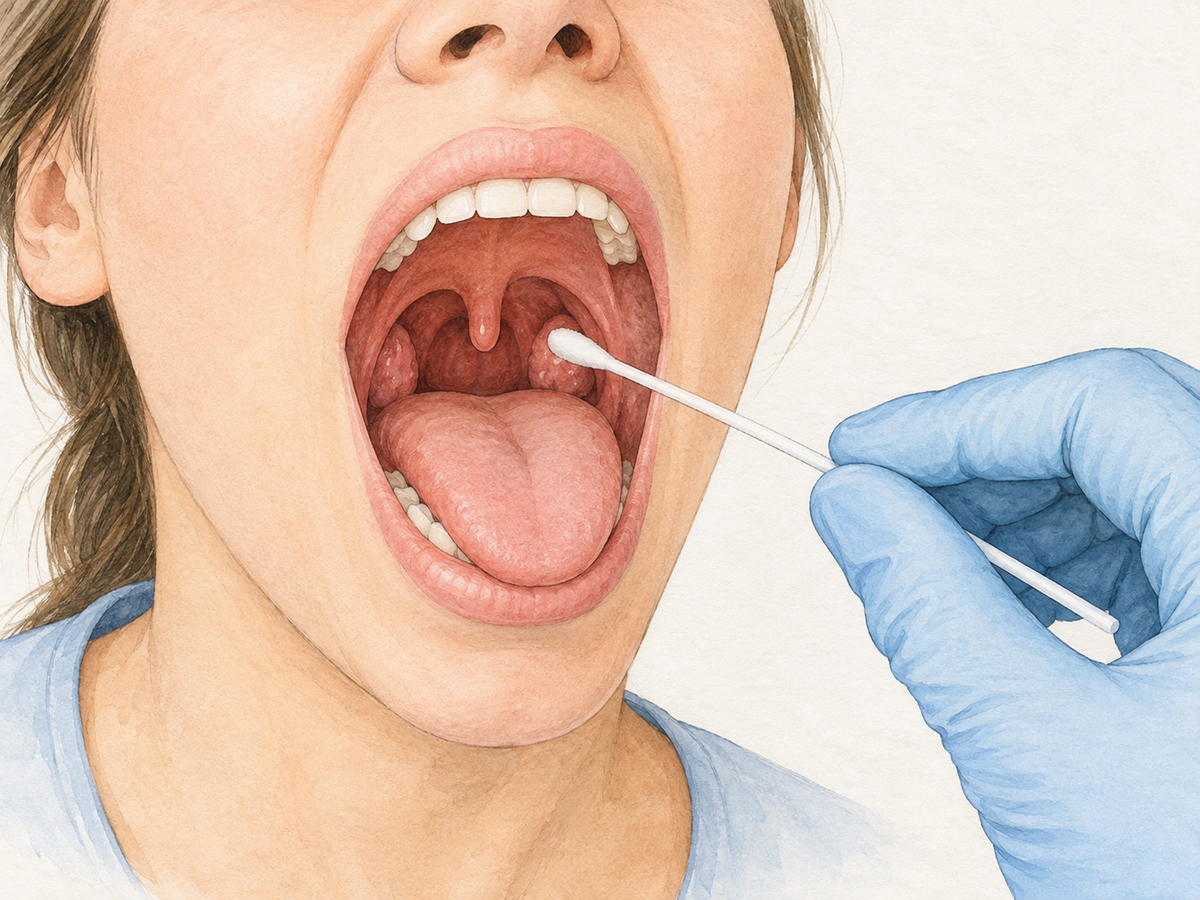
- A careful look inside your mouth.
- Blood tests for common deficiencies and related conditions.
- Checks for thrush, dry mouth, or allergy when symptoms point that way.
Blood tests may include vitamin B12, iron, folate, zinc, fasting blood sugar, and thyroid hormone. Some clinics also check vitamin D and other B vitamins. Mayo Clinic screening found that low vitamin D, vitamin B6, zinc, and vitamin B1 were among the more common findings in people with BMS, while B12 and folate deficiency were rare.
This matters because conditions such as anemia, diabetes, low thyroid, a yeast infection called thrush, dry mouth, and allergies can all mimic BMS.
A written symptom diary can make the appointment more useful. Track:
- When the burning starts and how long it lasts
- Pain level from 0 to 10
- Foods, drinks, medicines, stress, and sleep
- Anything that makes it better or worse
Bring that diary with you. It often shows patterns faster than memory alone.
Medications That Help
No medicine cures BMS. The goal is to calm nerve-related pain and reduce how much burning disrupts daily life. Responses vary from person to person.
| Treatment | What it is | What to know |
|---|---|---|
| Topical capsaicin | A rinse or gel made from chili pepper extract | May reduce burning, but can cause temporary stinging or irritation |
| Clonazepam rinse or pill | A calming medicine used short-term or low-dose | Probably one of the more effective options for BMS pain, but may cause drowsiness |
| Low-dose antidepressants | Amitriptyline, nortriptyline, or similar | Used for nerve pain and mood, often at low doses |
| Gabapentin or pregabalin | Medicines that calm overactive nerves | Evidence is mixed; pregabalin may help but with low certainty |
| Alpha-lipoic acid | A supplement with antioxidant effects | Mixed results; some studies show modest benefit |
| Vitamin replacement | Correcting a specific deficiency found on blood tests | Important only when a deficiency is present |
Among these, clonazepam has the clearest evidence for reducing BMS pain compared with placebo, according to a network meta-analysis of BMS treatments. It can be used as a mouth rinse or as a low-dose pill. Topical capsaicin and alpha-lipoic acid have shown benefit in some trials, but the evidence is not strong or consistent, according to a systematic review of BMS interventions. Pregabalin may help, but the certainty is low. Low-dose antidepressants and gabapentin are also used for nerve-related pain, though evidence varies.
Some of these medicines are used off-label, meaning doctors prescribe them for BMS even if the label mainly covers another condition. That is common for nerve pain.
Do not self-prescribe, and do not stop an existing medicine on your own. Many of these treatments affect the brain or nerves and need careful dosing and follow-up.
Therapies Beyond Meds
Medication does not help everyone. Non-drug options can be useful alone or alongside medicine.
- Cognitive behavioral therapy (CBT) is a structured talk therapy that helps people change pain-related thoughts and behaviors. Trials have shown symptom improvement, though evidence quality is limited.
- Psychotherapy, or general talk therapy, may help with anxiety, depression, and coping.
- Acupuncture is used by some pain clinics. Evidence is limited but some people report benefit.
- Low-level laser therapy, also called photobiomodulation, directs low-energy light at the mouth tissues. Some studies suggest short-term pain relief, but certainty is low.
- TENS means transcutaneous electrical nerve stimulation. It sends mild electrical pulses through the skin. It is sometimes used for nerve-related pain, but evidence for BMS specifically is weak.
- Saliva substitutes such as rinses, sprays, or lozenges can ease dryness that makes burning feel worse.
These options focus on pain coping and nerve regulation. They may improve daily comfort even if they do not remove the underlying problem.
Self-Care Relief
Daily habits can reduce irritation and make symptoms easier to manage.
- Avoid alcohol and tobacco.
- Avoid spicy foods, acidic foods, and alcohol-based mouthwash.
- Sip cool water throughout the day.
- Chew sugar-free gum to promote saliva.
- Use a mild, flavor-free or low-foaming toothpaste.
- Prioritize enough sleep and steady stress management.
- Track symptoms and triggers in a simple diary.
Self-care supports medical treatment. It does not replace an exam or a plan from a doctor or dentist.
When to Follow Up
Reassess if symptoms continue. Follow-up is reasonable if:
- There is no clear improvement after 2–3 months.
- You have unintended weight loss.
- Swallowing becomes difficult or painful.
- New mouth sores, patches, or lumps appear.
- Burning or odd sensation is mostly on one side.
One-sided symptoms, swallowing problems, or weight loss should be checked promptly because they can be warning signs, according to guidance on oral dysaesthesia.
At follow-up, ask about:
- Lowering or changing a medicine dose safely.
- Referral to an oral medicine, neurology, or pain specialist.
- Whether other non-drug options fit your situation.
- Whether clinical trials or newer treatments might be appropriate.
A practical next step is to book a medication review and bring a written symptom diary. That gives your clinician a clear picture and helps you decide what to try next.
This article has been reviewed by an oral health professional for accuracy. It is intended to provide general educational information and should not be used as a substitute for personalized medical advice, diagnosis, or treatment. If you have questions or concerns about your oral health, please consult a dentist, physician, or other qualified healthcare provider.